Team6 · October 1, 2026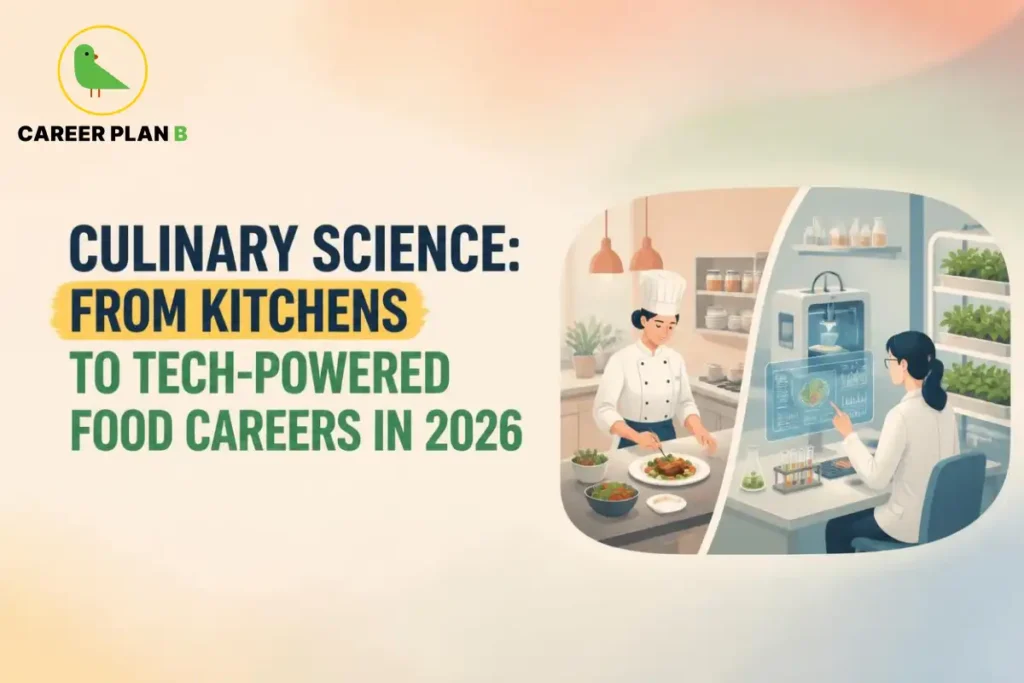
Introduction
Picture a modern professional kitchen in 2026, and knife skills are genuinely just the entry ticket. Smart ovens, fermentation control systems, recipe software, and AI-driven inventory tools are becoming standard equipment, and India’s food processing sector alone is expected to cross forty thousand crore rupees in output by 2025-26, generating nine million jobs along the way. This is exactly why Culinary Science in 2026 looks nothing like the “become a chef” career conversation most families had a decade ago.
So what does this genuinely tech-infused version of a food career actually require, and where does it lead? This guide breaks down real courses, honest eligibility, and genuine career scope behind Culinary Science in 2026. By the end, this field will look like a serious, technology-forward career path, not just a passion for cooking.
Why Has Culinary Science Genuinely Merged With Technology?
Modern kitchens are increasingly tech-driven, and skilled chefs and bakers who can adapt to technology, manage data, and optimise workflows are becoming more valuable than ever. Consequently, culinary roles are genuinely expanding beyond cooking itself into kitchen innovation, food R&D, and operational consulting.
Furthermore, AI and automation have impacted the food and beverage industry considerably, with precision farming, crop monitoring through drone cameras, and even robotic cooks now appearing in top culinary restaurants. Therefore, students entering this field today are genuinely training for a hybrid discipline, part craft, part data and technology fluency.
Is This Genuinely Different From a Traditional Culinary Arts Course?
Yes, meaningfully so. Traditional culinary arts programmes focus primarily on cooking technique and hospitality service, while culinary science and food technology genuinely blend chemistry, microbiology, engineering, and increasingly AI-integrated systems into the same curriculum. Therefore, this path suits students who want the craft of food alongside genuine scientific and technical depth.
Culinary Science Courses: What Are Your Real Options?
Several genuinely distinct pathways exist, depending on whether you want a craft-first or science-first foundation. Here’s an honest breakdown.
| Course Type | Duration & Focus | Best Suited For |
|---|---|---|
| B.Tech. Food Technology | 4 years, engineering-heavy, food processing and plant operations | PCM students wanting deep technical and engineering exposure |
| B.Sc. Food Science & Technology | 3 years, chemistry, microbiology, food safety | PCB or PCM students wanting a science-first foundation |
| B.Sc. Culinary Arts / Catering Technology | 3-4 years, craft-first with hospitality management | Students prioritising kitchen skill and hospitality careers |
| Diploma in Bakery, Food Science, or Confectionery | 1-2 years, focused, faster entry | Students wanting quick, practical skill-building |
Notably, some engineering colleges now embed AI directly into their food technology curriculum, offering minors in AI, Data Science, and even Chemical Engineering alongside a core B.Tech Food Technology degree. Therefore, the “tech-powered” framing in this field’s title genuinely reflects real, structural curriculum changes, not just marketing language.
What Eligibility Do You Actually Need?
Most undergraduate programmes require Class 12 completion with Physics, Chemistry, and Biology or Mathematics, generally with a minimum of fifty to sixty percent marks. Consequently, admission runs either through merit or entrance exams like JEE Main, ICAR, or KCET, depending on your specific target institution.
Food Technology Careers After 12th: Which Colleges Actually Lead This Field?
Institute choice genuinely affects both training depth and industry recognition. Here are some well-regarded options across India.
- IIT Kharagpur – offers genuinely strong food technology programmes at undergraduate and postgraduate levels
- National Institute of Food Technology Entrepreneurship and Management (NIFTEM) – a dedicated national institute specifically focused on food technology and entrepreneurship
- Central Food Technological Research Institute (CFTRI) – a premier research-driven institute for advanced food science training
- Institute of Chemical Technology (ICT), Mumbai – genuinely respected for its food engineering and technology programmes
Notably, colleges now increasingly build AI-integrated curriculum and Smart Food Systems approaches directly into their B.Tech Food Technology programmes, alongside modern labs and industry consultancy work. Therefore, verifying a specific college’s tech integration genuinely matters as much as checking its traditional accreditation.
Culinary Science Career Opportunities: Where Does This Degree Actually Lead?
This field offers genuinely diverse roles, extending well beyond the traditional restaurant kitchen alone. Depending on your interests, several distinct directions exist.
- Food Technologist / R&D Chef – developing new food products and improving existing formulations for FMCG companies
- Quality Control / Food Safety Officer – ensuring products meet safety and regulatory standards before reaching consumers
- Cloud Kitchen and Food-Tech Operations Manager – overseeing consistency and efficiency at delivery-first food businesses
- Innovation Chef at FMCG Companies – working with brands like Nestle, Unilever, or ITC on product development
- Food Content Creator or Stylist – blending culinary skill with media, photography, and storytelling
Which New-Age Companies Are Actually Hiring for These Roles?
QSR chains like McDonald’s, Burger King, and Domino’s employ culinary professionals in product development and kitchen operations, while FMCG companies like Nestle, Unilever, and ITC recruit culinary graduates specifically as innovation chefs and food technologists. Additionally, cloud kitchen brands and food delivery startups genuinely need trained kitchen professionals who can maintain consistency at scale, an entirely new employer category that didn’t meaningfully exist a decade ago.
Read more :-Career in Baking & Culinary Arts: No JEE/NEET Needed
Culinary Science Courses 2026: What Salary Can You Actually Expect?
Compensation genuinely varies based on specialisation, employer, and experience. However, current data offers a realistic starting picture.
How Does Salary Actually Grow With Experience?
Food technology graduates in India typically earn a minimum of around three lakh rupees annually to start, with average salaries around four lakh eighteen thousand rupees. Meanwhile, professionals moving into specialised R&D, food-tech operations, or innovation roles at established FMCG companies can genuinely command significantly stronger packages as experience and specialisation deepen.
Have Any Doubts?
How Should You Actually Choose the Right Path Within This Field?
Not every culinary science programme delivers equal genuine depth. Therefore, evaluate your options using these practical criteria before committing.
- Decide between craft-first and science-first, choosing culinary arts for hospitality-focused careers or food technology for R&D and technical roles
- Check for genuine tech integration, since AI-assisted curriculum and Smart Food Systems training increasingly matter for future-ready roles
- Verify accreditation and lab infrastructure, ensuring hands-on practical exposure matches the theoretical coursework
- Research placement diversity, checking whether the college connects students to both traditional hospitality and new-age food-tech employers
A Word of Caution Before You Apply
Always verify a specific college’s current curriculum, accreditation, and placement record directly through its official website before applying. Additionally, remember that genuine hands-on lab and kitchen experience matters as much as classroom theory in determining how job-ready you are at graduation.
How Career Plan B Helps
Deciding whether Culinary Science genuinely fits your interests takes more than enjoying cooking shows.This is where Career Plan B can help by offering:
- Personalised Career Counselling: Provides expert guidance based on individual interests, skills, and career goals, helping you decide between craft-focused culinary arts and technology-driven food science paths.
- Psychometric & Career Assessment Tests: Identifies strengths, personality traits, and suitable career opportunities, useful for confirming genuine aptitude for both hands-on craft and technical, data-driven work.
- Career Roadmapping: Creates a clear step-by-step plan to achieve academic and professional goals, including which culinary science specialisation to pursue.
- Admission & Academic Profile Guidance: Helps in selecting the right courses and colleges and improving academic profiles, so your entrance exam preparation stays genuinely focused.
Get In Touch With Us
Frequently Asked Questions
1. What is the difference between culinary arts and culinary science?
Culinary arts focuses primarily on cooking technique and hospitality service, while culinary science blends chemistry, microbiology, engineering, and increasingly AI-integrated systems into the curriculum.
2. What is the eligibility for food technology courses after 12th?
Most programmes require Class 12 with Physics, Chemistry, and Biology or Mathematics, with a minimum of fifty to sixty percent marks depending on the institute.
3. Which companies hire culinary science and food technology graduates?
Recruiters include FMCG giants like Nestle, Unilever, and ITC, QSR chains like McDonald’s and Domino’s, and a growing number of cloud kitchen and food-tech startups.
4. What is the average salary after a food technology degree?
Graduates typically start around three lakh rupees annually, with average salaries around four lakh eighteen thousand rupees, growing considerably with specialisation and experience.
5. Is AI genuinely relevant to a culinary science career now?
Yes, genuinely so. Smart ovens, AI-driven inventory tools, and even robotic cooks are becoming standard in modern kitchens, making tech fluency a real career advantage.
6. Which colleges in India are known for strong culinary science and food technology programmes?
IIT Kharagpur, NIFTEM, CFTRI, and the Institute of Chemical Technology Mumbai are among the most respected institutions offering this specialisation.
Conclusion
Culinary Science in 2026 genuinely sits at the intersection of craft and technology, where knowing how to season a dish matters alongside understanding AI-driven inventory systems and food safety data. For students who love food and also enjoy science and technical problem-solving, this field offers real, expanding career opportunities across restaurants, FMCG innovation labs, and food-tech startups alike.
If you are still weighing whether this hybrid path suits you, thoughtful guidance can bring real clarity before you commit years of study. The right culinary science path, chosen deliberately, can turn a love for food into a genuinely future-proof career. Talk to a Career Plan B counsellor today to see if culinary science is right for you.