Team6 · October 3, 2026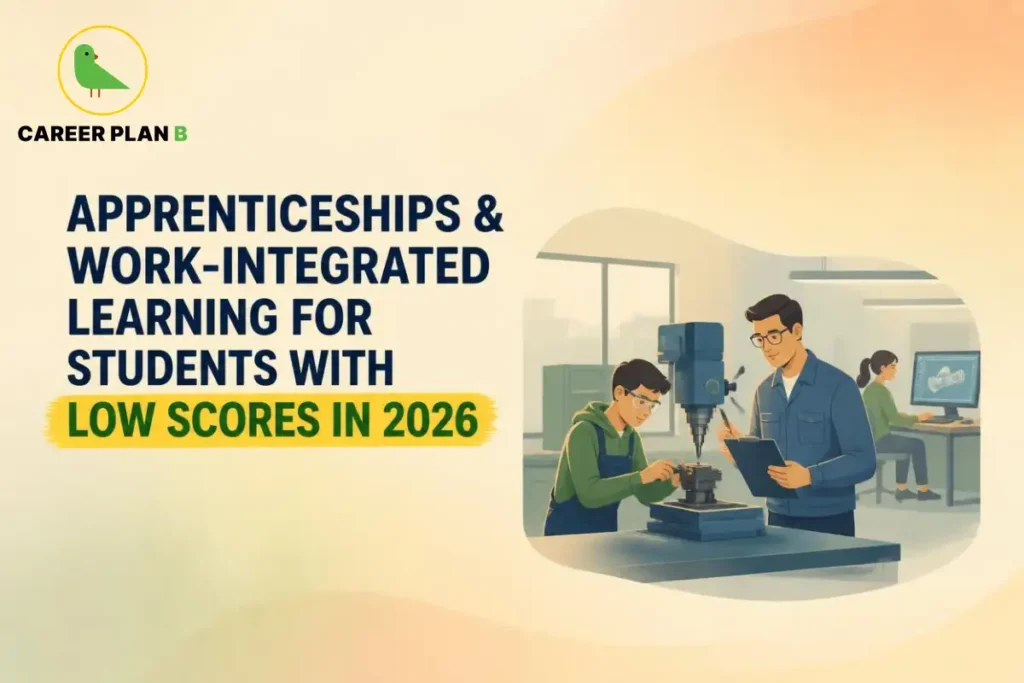
Introduction
A disappointing Class 12 percentage feels like it closes doors, but for a genuinely wide range of career paths, it simply doesn’t matter the way students assume it does. Apprenticeships and Work-Integrated Learning offer real, government-backed routes into skilled careers that prioritize demonstrated ability over exam scores entirely.
This guide covers the actual official framework behind these paths, so students and parents understand Apprenticeships and Work-Integrated Learning as genuine, structured alternatives, not a consolation prize for students who didn’t score well.
Why Scores Matter Less Here Than Most Families Assume
Here’s a foundational point worth understanding first: apprenticeships in India operate under the Apprentices Act, 1961, through the National Apprenticeship Promotion Scheme run by the Ministry of Skill Development and Entrepreneurship. Eligibility criteria focus on educational qualification level, Class 10th, 12th, ITI certification, diploma, or degree, rather than a minimum percentage threshold, since the entire system is designed to build practical, on-the-job competency rather than filter candidates by academic score (source: apprenticeshipindia.gov.in).
This distinction matters enormously for Career Options for Students With Low Scores specifically: an apprenticeship application generally doesn’t reject you for a modest Class 12 percentage the way a competitive, cutoff-driven college admission would.
Work-Integrated Learning Programs: The Official Policy Behind Them
Work-Integrated Learning Programs aren’t just an informal industry trend; they’re explicitly written into national education policy. The Ministry of Education’s own NEP 2020 framework describes holistic and multidisciplinary education as including vocational and skill-based learning integrated directly into academic pathways, rather than treating practical skill-building as separate from formal education (source: education.gov.in). This policy backing means genuine work-integrated learning options are being actively built into India’s broader higher education structure, not just offered as a standalone alternative outside it.
Apprenticeship Programs After 12th: How the Structure Actually Works
Apprenticeship Programs After 12th combine paid, structured on-the-job training with a formal, government-recognized certificate upon completion. Under NAPS, the government contributes 25% of the prescribed stipend, up to a maximum of ₹1,500 per month, directly to the apprentice, while the employer covers the remaining share. Programmes typically run six months to two years depending on the trade, giving students genuine, structured work experience and income well before their peers pursuing a traditional degree even graduate.
Because eligibility spans Class 10th pass-outs through graduates, students with modest Class 12 scores genuinely compete on equal footing here, since the selection criteria prioritize trade-specific aptitude and employer fit over academic percentage.
Links: apprenticeshipindia.gov.in
Read more :- College Internship Programs: Early Career Opportunities
Career Options for Students With Low Scores: Beyond Just Apprenticeships
Career Options for Students With Low Scores extend beyond formal apprenticeships alone. Diploma programmes at polytechnic institutes typically admit based on Class 10th or 12th completion with far more accessible cutoffs than competitive degree programmes. Vocational certificate courses in fields like digital marketing, hospitality operations, or technical trades often prioritize a basic aptitude assessment over academic percentage. Many private universities also offer direct-entry undergraduate programmes with modest minimum aggregate requirements, genuinely different from the intense cutoff competition at top government colleges.
Have Any Doubts?
Skill-Based Learning Programs: What Makes Them Genuinely Different
Skill-Based Learning Programs focus on demonstrated competency rather than theoretical exam performance, making them particularly suitable for students who learn better through hands-on practice than classroom-based testing. These programmes typically combine practical training modules with on-the-job assessment, so instructors measure your progress by what you can actually do: operate specific equipment, execute a defined process, or complete a client-facing task rather than perform well on a written exam under time pressure.
Work-Integrated Learning 2026: Building a Realistic Plan
For students specifically planning around Work-Integrated Learning 2026 options, a practical approach involves identifying trades or fields genuinely aligned with your interests rather than defaulting to whatever’s available, applying through the official Apprenticeship India portal for NAPS-registered opportunities, and treating the first placement as a foundation for building toward more advanced or specialized roles over time, rather than a permanent ceiling. Many apprentices go on to formalize their skills further through advanced certifications or even a degree later, using their practical experience as a genuine advantage rather than starting from zero.
How Career Plan B Helps
Understanding that a modest Class 12 score doesn’t close off genuine, well-paying career paths takes honest, informed guidance rather than default assumptions about what options remain available.
- Personalized Career Counselling: Helps you evaluate genuine apprenticeship, diploma, or skill-based paths based on your actual interests and strengths, not just your score.
- Psychometric & Career Assessment Tests: Identifies which hands-on, skill-based fields genuinely suit you, regardless of academic performance.
- Career Roadmapping: Builds a realistic plan combining an apprenticeship or vocational programme with future growth and formalization options.
- Admission & Academic Profile Guidance: Supports you in identifying genuine NAPS-registered opportunities and reputable skill-based programmes.
Get In Touch With Us
Frequently Asked Questions
1. Do apprenticeships genuinely not consider Class 12 percentage at all?
Eligibility is based primarily on educational qualification level rather than a minimum percentage threshold, though individual employers may still have their own specific selection preferences beyond the baseline government criteria.
2. Is Work-Integrated Learning actually backed by government education policy, or just industry practice?
It’s genuinely backed by policy. NEP 2020 explicitly frames vocational and skill-based learning as part of India’s broader holistic education framework, not a separate, lesser alternative.
3. What are realistic Career Options for Students With Low Scores beyond apprenticeships?
Polytechnic diplomas, vocational certificate courses, and direct-entry private university programmes all typically offer more accessible eligibility than competitive, cutoff-driven degree admissions.
4. Can someone who completes an apprenticeship later pursue a formal degree?
Yes. Many apprentices use their practical experience as a genuine advantage when later pursuing further certifications or degree programmes, rather than starting over from scratch.
5. Where can I find genuine, government-registered apprenticeship opportunities?
The official Apprenticeship India portal, run under the National Apprenticeship Promotion Scheme, lists verified NAPS-registered opportunities across trades and sectors.
Conclusion
Apprenticeships and Work-Integrated Learning offer genuinely accessible, government-backed career paths for students whose Class 12 scores don’t reflect their real potential or interests. Understanding that eligibility here prioritizes demonstrated skill and trade-specific fit over academic percentage can open doors that feel closed after a disappointing result.
Explore the official Apprenticeship India portal and genuine skill-based programmes before assuming a modest score limits your options. If you’d like help identifying the right path for your specific strengths, Career Plan B’s counsellors are ready to guide you through it.