Team6 · October 6, 2026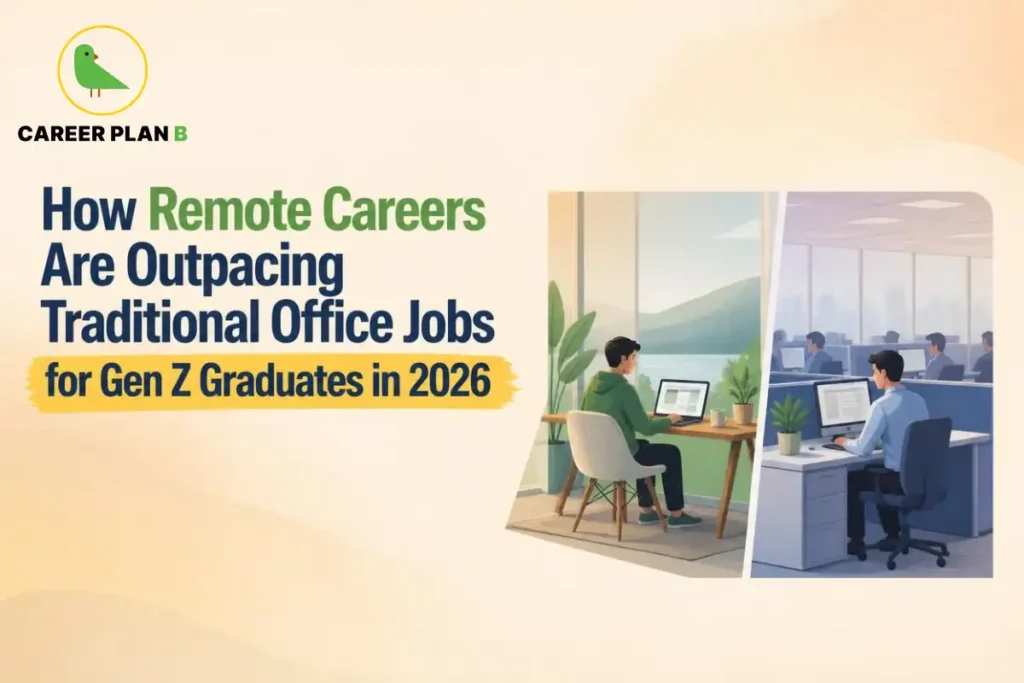
Introduction
The global employment landscape of 2026 is undergoing a massive, generational transformation. For decades, the standard measure of corporate success involved long commutes and rigid 9-to-5 schedules within physical corporate headquarters. However, recent data clearly indicates that remote careers are outpacing traditional office jobs for Gen Z graduates, fundamentally rewriting how modern companies recruit and retain top-tier talent.
Today’s graduating class, representing the first true generation of digital natives, actively rejects outdated corporate structures that prioritize physical presence over actual output. They demand intense flexibility, transparent communication, and genuine work-life balance, treating these elements as absolute non-negotiable requirements rather than mere corporate perks. Consequently, agile tech startups and massive multinational corporations are aggressively expanding their remote operations to capture this highly skilled, digitally fluent workforce.
This comprehensive guide explores exactly why remote careers are dominating the 2026 job market. By analyzing real productivity statistics, shifting salary expectations, and the explosive growth of hybrid roles in India, you can strategically position yourself for a highly lucrative, borderless profession.
The Generational Shift Toward Flexibility
To understand why remote careers are outpacing traditional office jobs for Gen Z graduates, you must first understand this generation’s unique relationship with technology and well-being.
Non-Negotiable Flexibility
In 2026, flexibility is no longer viewed as a luxury; it is the absolute baseline expectation for modern employment. According to recent workforce reports, a staggering 71% of Indian Gen Z professionals would happily accept a 20% salary cut in exchange for meaningful, flexible work arrangements. They actively prioritize mental health and personal autonomy, refusing to sacrifice their well-being for rigid, outdated office attendance mandates.
Rejecting Proximity Bias
Gen Z graduates are highly aware of “proximity bias,” where employees in physical offices are unfairly favored for promotions over remote workers. To combat this, they aggressively seek out companies that utilize asynchronous communication tools like Slack and evaluate performance strictly based on measurable project outputs. By choosing remote-first organizations, these young professionals guarantee their career growth is tied directly to their skills, not their physical visibility.
Productivity and Remote Work Realities
A major driver behind why remote careers are outpacing traditional office jobs for Gen Z graduates is the undeniable corporate data proving the efficiency of distributed teams.
The Hybrid Productivity Boost
Contrary to the fears of traditional managers, flexible work arrangements consistently boost overall corporate output. Recent 2026 studies show that hybrid setups—combining the focus of remote work with occasional in-person collaboration—increase team productivity by approximately 5% compared to fully on-site models. Furthermore, remote workers save an average of 72 minutes daily by eliminating their commute, frequently reinvesting that saved energy directly into their tasks.
Navigating the Loneliness Factor
While the productivity gains are massive, it is crucial to acknowledge that remote work is not entirely flawless. Recent mental health surveys reveal that Gen Z remote workers actually report the highest rates of professional loneliness across all generations. This specific vulnerability explains why 65% of Gen Z employees actively prefer structured hybrid models over being 100% fully remote.
High-Paying Remote Roles in India
The Indian remote job market has matured significantly, moving far beyond basic data entry to offer highly specialized, lucrative corporate positions.
AI Engineering and Data Science
Artificial intelligence is undoubtedly the driving force behind the highest-paying remote roles in 2026. Global tech companies desperately need experts in machine learning, vector databases, and AI prompt engineering. Because these highly technical roles require zero physical office presence, Indian developers frequently secure massive international salaries by working for US or European firms.
Digital Marketing and Creator Strategy
The creator economy demands highly skilled professionals to manage brand narratives and digital consumer growth. Remote roles like Performance Marketing Strategist, SEO Specialist, and UX Writer are incredibly popular among creative Gen Z graduates. Securing micro-credentials from platforms like Coursera instantly validates these skills, allowing freshers to command premium freelance or full-time remote rates.
Have Any Doubts?
Salary Expectations and Global Scope (2026)
Understanding the financial trajectory of remote work is essential for calculating your long-term return on investment. The ability to earn a massive global salary while living in a lower-cost Indian city is a massive financial advantage.
| High-Demand Remote Role | Core Required Skills | Entry-Level Salary (India 2026) | Global / Senior Scope |
|---|---|---|---|
| AI / Machine Learning Engineer | Python, RAG pipelines, MLOps | ₹10.0 – ₹18.0 LPA | $80k – $150k+ (USD) |
| Performance Marketer | Paid Ads, ROAS, Google Analytics | ₹6.0 – ₹9.0 LPA | ₹18.0 – ₹30.0+ LPA |
| UX/UI Product Designer | Figma, user empathy, prototyping | ₹7.0 – ₹12.0 LPA | ₹25.0 – ₹50.0+ LPA |
| Data / Business Analyst | SQL, Power BI, Python | ₹5.5 – ₹9.0 LPA | ₹15.0 – ₹30.0+ LPA |
(Source: Aggregated data from 2026 Indian remote tech recruitment and global freelance marketplace trends).
How Career Plan B Helps
Successfully launching a remote career requires a highly optimized digital presence and verifiable technical skills. Career Plan B assists ambitious Gen Z graduates in navigating this competitive, borderless economy with absolute clarity.
- Personalised Career Counselling: We thoroughly evaluate your natural digital aptitude to ensure you target the most lucrative remote niches, like AI engineering or performance marketing.
- Psycheintel & Career Assessments: Scientifically backed tests that accurately map your unique strengths for managing the isolation and high-pressure independence of remote global consulting.
- Customized Admission Guidance: Strategic support to help you select the exact, highest-ROI micro-credentials that global remote clients actually respect.
- Career Roadmapping: Tailored, long-term pathways that guarantee your new specialized skills perfectly align with securing premium, long-term remote contracts in 2026.
Get In Touch With Us
Frequently Asked Questions
Q1. Why are remote careers outpacing traditional office jobs for Gen Z graduates?
Remote careers are dominating because Gen Z graduates actively prioritize mental health, flexible scheduling, and output-based performance evaluations over rigid, mandatory office attendance.
Q2. What is the highest-paying remote job for freshers in India?
Currently, remote roles in AI Engineering (specifically MLOps and GenAI development) and advanced Data Analytics offer the highest starting salaries for fresh Indian graduates.
Q3. Does remote work negatively affect productivity?
No, data shows the opposite. Well-organized hybrid and remote teams are frequently more productive than fully in-office teams, largely due to the elimination of exhausting daily commutes.
Q4. Do Gen Z workers prefer fully remote or hybrid work?
Data from 2026 indicates that the vast majority (around 65%) of Gen Z workers actually prefer a hybrid model over fully remote work to prevent professional isolation.
Q5. How can I find high-paying remote jobs in India?
You should build a strong “Proof of Work” portfolio on platforms like GitHub, actively pursue global micro-credentials, and utilize specialized remote-first job boards.
Conclusion
Analyzing the modern employment landscape reveals exactly why remote careers are outpacing traditional office jobs for Gen Z graduates in 2026. By actively rejecting outdated corporate attendance mandates, young professionals are securing unmatched flexibility, superior mental health, and access to highly lucrative global salaries. Furthermore, whether you choose to build complex AI models or manage international digital marketing campaigns, the financial trajectories of borderless work are immense.
Ultimately, thriving in the modern digital economy requires continuous upskilling and a flawless ability to communicate asynchronously. If you are ready to identify the exact remote specialization that fits your unique strengths, consult Career Plan B today to build a meticulously personalized roadmap to global success.