Team6 · October 14, 2026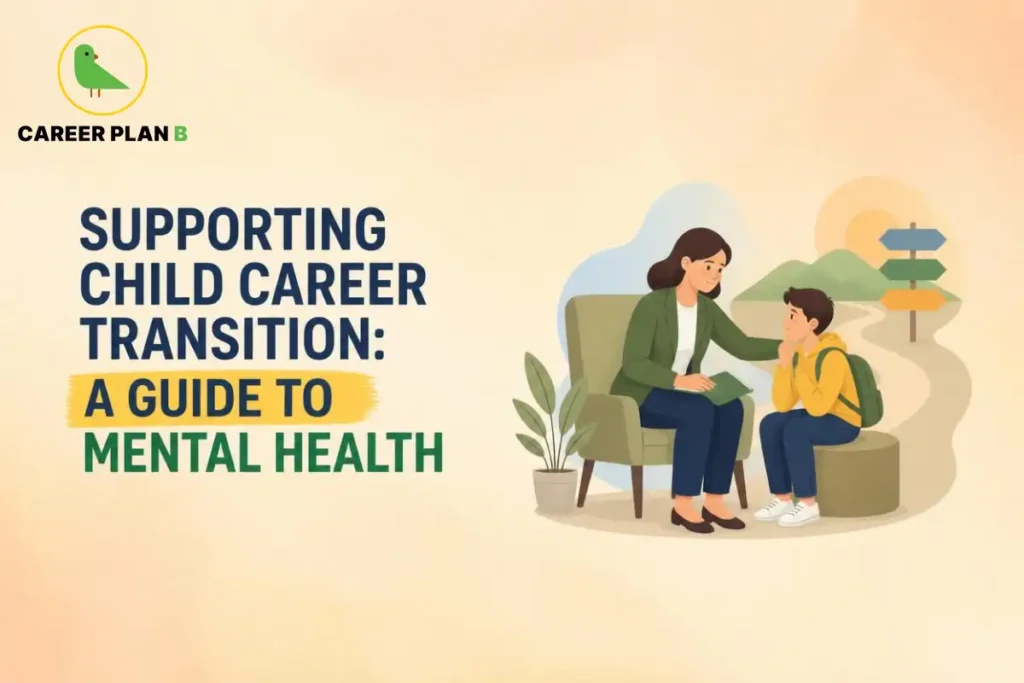
Introduction
The CUET 2026 results are out, and for many students, the outcome may not match the hopes they carried throughout the year. Behind every score is a journey of hard work, expectations, and dreams shared not only by students but also by their families. With over 15.68 lakh registrations for CUET UG 2026, many households are now facing difficult conversations about what comes next.
For students considering a drop year and preparing for CUET 2027, this phase is not a setback—it is a chance to regroup and move forward with a stronger plan. Supporting a child’s career transition during this period requires more than academic guidance; it demands emotional support, patience, and understanding. This guide is for both students and parents navigating the journey together.
The Drop Year Is Not a Failure — It Is a Fork in the Road
Somewhere along the way, our culture decided that a gap between Class 12 and college is a mark of shame. Relatives ask uncomfortable questions. Neighbours raise eyebrows. And students, already dealing with the sting of an exam result, also have to deal with the sting of social judgment. That is a heavy combination for a 17 or 18-year-old.
But here is what the data and the reality both say: a drop year, when used intentionally, can be one of the most clarifying and productive periods of a student’s life. The NTA recorded 13,54,699 registrations in 2025, out of which 10,71,735 students actually appeared for the CUET exam. That gap alone tells a story. Thousands of students recalibrate every year, and many of them come back sharper, more focused, and more certain about what they want. The first step in supporting child career transition is refusing to let the noise around a drop year drown out the clarity it can bring.
What Is Your Child Actually Going Through?
Before you open the laptop to research coaching centres or make a new timetable, sit down with your child. Not to plan. Just to understand.
When Academic Pressure Becomes Anxiety
font-weight: 400;”>There is a difference between a student who is stressed about studies and a student who is silently falling apart. A multi-city study found that nearly 70% of Indian college students aged 18 to 29 suffer from moderate to high levels of anxiety and depression, with 69.9% reporting anxiety and 70.3% experiencing emotional distress. These are not college students who failed exams. These are students who are simply inside the system, carrying the pressure of it.
Now imagine a student who has already faced a difficult result, is preparing for a second attempt, and is doing all of this while managing the expectations of family and society. The academic pressure and anxiety they carry is not always visible. An NCERT Manodarpan mental health survey found that a staggering 81% of students cited schoolwork, particularly exams and grades, as a source of anxiety.
Signs that parental support during career transition is urgently needed include: sudden withdrawal from conversations, loss of appetite or sleep disruptions, irritability or unexplained emotional outbursts, loss of interest in things that once brought joy, and constant self-critical talk. If you see these signs in your child, the answer is not a stricter timetable. The answer is a conversation.
How Can Parents Support Without Adding Pressure?
This is the question that most parents do not know how to ask out loud. The truth is, the most well-meaning parents can sometimes add to the weight without realising it.
Listening Before Advising
When your child tells you they are tired, the instinct is to say “I know, but you have to keep going.” Try something different. Ask: “What kind of tiredness is it?” Let them speak. Let the silence sit for a moment before you fill it with solutions.
Parental support during career transition is not primarily about having the right answers. It is about making your child feel safe enough to ask questions they are afraid to ask themselves.
Creating a Safe Space at Home
A student preparing for CUET 2027 needs the home to be a recovery space, not another exam hall. Here are a few things that genuinely help:
- Avoid asking about preparation progress every day. Ask about their day instead.
- Do not compare their pace with siblings, cousins, or neighbours.
- Celebrate small wins: a concept understood, a subject revised, a difficult day survived.
- Keep mealtimes conversation-friendly and pressure-free.
- Let them take breaks without guilt.
And for the student reading this: it is okay to tell your parents what you need. You do not have to pretend to be fine. You do not have to perform productivity to earn rest.
Building a Realistic CUET 2027 Game Plan
Once the emotional ground feels a little steadier, the planning can begin. And the best plans are built on clarity, not panic.
Mapping Strengths, Not Just Marks
The drop year is the perfect time to ask a question that the school system rarely asks: what are you actually good at, and what genuinely interests you? A student who scored poorly in one subject might have been preparing for a course that was never the right fit to begin with.
Before diving into CUET 2027 preparation, use this period to reassess. Which subjects feel energising? Which university programs genuinely excite you? What kind of career do you see yourself building? Student career planning done at this stage, with real reflection, is worth far more than six months of studying in the wrong direction.
Career Roadmapping During the Gap Year
Here is a simple framework that drop year students can follow:
| Month | Focus Area | 2026–2027 Action Plan & Strategic Execution |
|---|---|---|
| Month 1–2 | Emotional reset + subject-wise gap analysis | Conduct a comprehensive diagnostic audit of past paper attempts; establish dopamine hygiene and target high-friction domain subjects without exam pressure. |
| Month 3–4 | Deep preparation on weak subjects + mock tests | Master NCERT Class 12 domain fundamentals; initiate chapter-wise topic tests and Anki flashcard repetitions to strengthen conceptual retention. |
| Month 5–6 | CUET-pattern practice + university research | Solve NTA PYQs across General Test and Language modules; research target university eligibility criteria (DU CSAS, BHU, JNU) to align subject choices. |
| Month 7–8 | Full mock test series + application planning | Execute full-length Computer-Based Test (CBT) simulations; audit error logs to minimize negative marking penalties and prepare category/compliance documents. |
| Month 9–10 | Final revision + mental wellness check-ins | Focus strictly on active recall, high-yield formula sheets, and mock speed-drills; maintain stress management practices to preserve peak cognitive performance. |
| Month 11 | CUET 2027 registration | Complete the official NTA registration portal filing early; cross-verify domain subject mapping and upload verified compliance certificates. |
Career roadmapping for students is not about filling every hour of the day with study. It is about knowing what you are working toward and why, so that even the hard days feel purposeful.
Also worth knowing: the UGC’s multiple entry and exit framework means no academic year is wasted, and students can re-enter a degree programme at the same or a different UGC-recognised university without losing credits. A drop year does not erase your progress. It gives you the space to redirect it. You can read more about this on the UGC’s official website.
Have Any Doubts?
Mental Health Must Be Part of the Plan
This is not the optional section. This is actually the foundation of everything else. A student cannot prepare effectively for CUET 2027 if they are running on anxiety fumes and self-doubt. Drop year mental health is not a side concern; it is central to whether the preparation will actually work.
Signs That Professional Support Is Needed
Watch for these signals in your child (and, students, in yourself):
- Persistent sadness lasting more than two weeks
- Complete loss of motivation or purpose
- Difficulty concentrating even on things they enjoy
- Talking negatively about their future in absolute terms
- Withdrawing from all social contact
If these signs are present, please reach out to a professional. The iCall helpline by TISS offers free, confidential counselling for students. The Government of India’s Tele-MANAS programme offers a 24/7 toll-free mental health helpline at 14416, run in collaboration with NIMHANS, and is free and available in multiple languages.
Seeking help is not a sign that something is broken. It is a sign that someone cares enough to fix what is not working.
How Career Plan B Helps
Career Plan B helps students and families navigate career transitions with clarity, structure, and personalized support, especially during challenging periods such as a drop year:
- Personalized Career Counselling: Works with students individually to understand their academic situation, aspirations, concerns, and future goals, creating guidance that is tailored to their unique journey.
- Psycheintel & Career Assessment Tests: Provides data-backed insights into aptitude, personality traits, interests, and learning styles, helping students discover strengths that go beyond marks and exam scores.
- Admission & Academic Profile Guidance: Supports students in strengthening their academic profile, identifying suitable opportunities, and making informed decisions about future admissions.
- Career Roadmapping: Creates a structured plan that connects present decisions with long-term academic and career objectives, giving students a clear sense of direction and progress.
- Holistic Student Support: Helps students navigate both academic and personal challenges by providing guidance that is practical, goal-oriented, and focused on long-term growth.
- End-to-End Guidance: Assists students throughout the process so they can move forward with greater confidence, self-awareness, and purpose.
For Latest Information
Frequently Asked Questions
1. Is it okay to take a drop year after CUET 2026?
Absolutely. A drop year is a legitimate and often wise choice when used with intention. Many students who took a drop year for CUET have gone on to secure admissions in their dream programmes. What matters is not the gap, but what you do with it.
2. How do I know if my child is struggling mentally during the drop year?
Look for changes in their baseline behaviour: withdrawal from family, sleep disturbances, loss of appetite, increased irritability, or talk of hopelessness. If these persist for more than two weeks, consider reaching out to a counsellor. Parental support during career transition means noticing the silent signs, not just the spoken ones.
3. How should a drop year student structure their CUET 2027 preparation?
Start with a subject-wise gap analysis from CUET 2026. Then build a monthly plan that balances preparation with recovery time.
4. What is the best way for parents to help without adding pressure?
Keep the home a calm, recovery-friendly space. Ask fewer progress-check questions and more genuine, open-ended ones. Celebrate effort alongside results. And remember: your child does not need a coach at home. They need a parent.
5. Are there free mental health resources for students in India?
Yes. The Government of India’s Tele-MANAS helpline (14416) is free, available 24/7, and operates in multiple languages. The iCall helpline by TISS also offers free and confidential counselling for students.
Conclusion
A drop year is not the end of a student’s story. It is often the chapter where the real character builds. The students who come out of it stronger are not the ones who studied the hardest every single day. They are the ones who had someone in their corner. Someone who said: I see you. I am not disappointed in you. Let us figure this out together.
If you are a parent reading this, that person can be you. Supporting child career transition is not about having all the answers. It is about being present enough to ask the right questions and brave enough to listen to the answers. Your child does not need a perfect plan right now. They need to know that whatever happens with CUET 2027, they are not facing it alone.
And if you are the student, here is something worth holding onto: one exam does not define your intelligence, your worth, or your future. It was a moment in time. You have many more moments ahead of you, and the next one can be different. Give yourself the grace to start again, and the courage to ask for help when you need it.