Team6 · September 28, 2026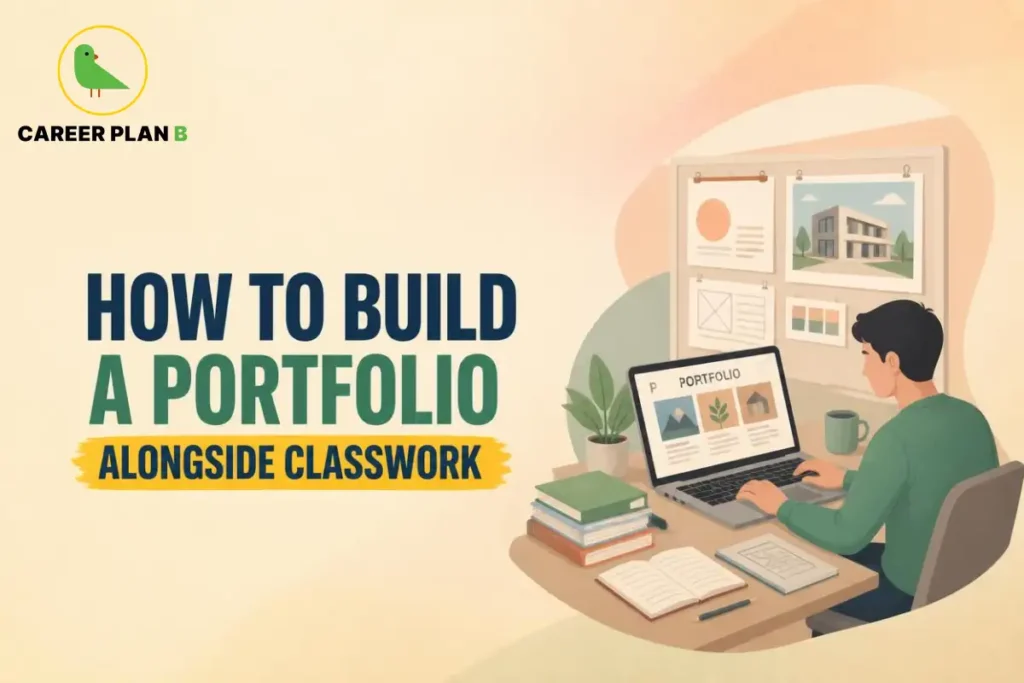
Introduction
Good marks used to be the whole story. Not anymore. Employers now want to see real work, not just a report card. That is why many students today try to build a portfolio alongside classwork. They don’t wait until final year to start.
The tricky part is doing this without falling behind in class. Many students think a portfolio means big, flashy projects that eat up all their time. It doesn’t have to be that way. Small, steady effort works far better than one big rush.
This guide covers where to find real chances, and what to actually include. It also covers how to build a strong portfolio without burning out. By the end, you’ll have a clear, simple plan and you can start using this term.
Why a Portfolio Matters More Than Just Marks
India’s National Education Policy pushes hard for real, hands-on learning, not just classroom theory. It calls for internships, industry projects, and research work at every college. [Source: University Grants Commission, NEP 2020 internship-embedded degree programme guidelines]
This is not just policy talk. The Prime Minister’s Internship Scheme alone aims to offer one crore internships over five years. This spans India’s top 500 companies. Real work is now built into how India wants students to learn.
Where to Find Real Opportunities While Studying?
AICTE’s National Internship Portal
AICTE runs an official internship portal that links students to checked companies and government bodies. Students can browse thousands of listings across many sectors, all in one place. This portal is free to use. It is open to both technical and humanities students under UGC.
The PM Internship Scheme
The PM Internship Scheme is run by the Ministry of Corporate Affairs. It now includes final-year graduate and postgraduate students still enrolled in college. This lets you gain paid, real work while still finishing your degree. Major companies across 24 sectors take part in this scheme, giving students a genuine shot at big-name experience early.
What Actually Belongs in a Student Portfolio
A strong portfolio doesn’t need to be huge. It needs to be real. Include any internship you’ve done, even a short one. Add a short note on what you actually did.
Add personal or class projects where you solved a real problem, not just followed a template. Include writing samples, case study entries, or contest results if they show real effort and thought. Quality beats quantity every time.
How to Build a Portfolio Without Falling Behind in Class
Time is the real limit here, not motivation. Start small. One short internship or one solid project per term is enough to build real momentum over time.
Use school breaks and holidays for internships. Don’t try to juggle them alongside a full class load. Treat your portfolio as a slow, steady habit. It should not be a last-minute rush before placement season.
Have Any Doubts?
Common Portfolio Mistakes Students Make
Many students wait until their final year to start. Then they panic and take on too much at once. Others pad their portfolio with generic, copy-paste projects that show no real skill. Both ways tend to backfire.
The strongest portfolios show a clear, honest story. A few real, well-explained projects almost always beat a long list of shallow ones.
Step-by-Step Roadmap to Start
- Check AICTE’s National Internship Portal for listings that match your interests.
- Look into the PM Internship Scheme if you’re in your final year of study.
- Pick one small project or internship to complete this term, not five at once.
- Write a short note on what you did and what you learned after each item.
- Review and update your portfolio every few months, not just before placement season.
Benefits, Challenges, and What the Data Says
Government-backed programs like AICTE’s Internship Portal and the PM Internship Scheme give students real, checked ways to build experience early. This is not informal advice. It is now part of national policy.
However, no official source tracks exactly how much a portfolio boosts your odds of getting hired. Claims about specific hiring boosts usually come from private blogs, not government data. Treat such numbers as indicative only.
A real problem many students face is starting too late, or trying to do too much at once. Small, steady work across each term beats a rushed sprint in final year.
How Career Plan B Helps
Figuring out how to build a portfolio alongside classwork can feel unclear without a plan. Career Plan B makes this easier through:
- Personalised Career Counselling: helping you pick internships and projects that match your real interests and goals
- Psycheintel Career Assessment Tests: finding out which skills you should build first
- Admission and Academic Profile Guidance: helping you understand AICTE and PMIS rules
- Structured Career Roadmapping: a clear, term-by-term plan to build a real portfolio without falling behind
Get In Touch With Us
Frequently Asked Questions
Q1.When should I start building a portfolio?
As early as possible. Ideally from your first or second year, not just before placement season.
Q2.Do I need a big project to build a strong portfolio?
No. A few small, real projects with clear notes often work better than one large, generic one.
Q3.What is AICTE’s National Internship Portal?
It is a free, official platform linking students to checked internships across many sectors and companies.
Q4.Can final-year students apply for the PM Internship Scheme?
Yes. The scheme now includes final-year graduate and postgraduate students still enrolled in college.
Q5.Is there official data on how much a portfolio helps with hiring?
No official source tracks this closely. Treat such claims from other sources as indicative only.
Q6.How often should I update my portfolio?
Every few months works well. This keeps it current without turning into a last-minute scramble.
Conclusion
Learning to build a portfolio alongside classwork is no longer just a nice-to-have. It is now backed by real, national programs like AICTE’s Internship Portal and the PM Internship Scheme.
Students who start early, and build steadily, arrive at placement season with real proof of skill. Not just a report card. That difference often matters more than one extra point in your marks.
You don’t need to do everything at once. One small project this term is a real start. Building this habit early means placement season arrives with confidence, not panic.
Connect with Career Plan B today to build your own steady, realistic portfolio plan alongside your classwork.