Team6 · September 30, 2026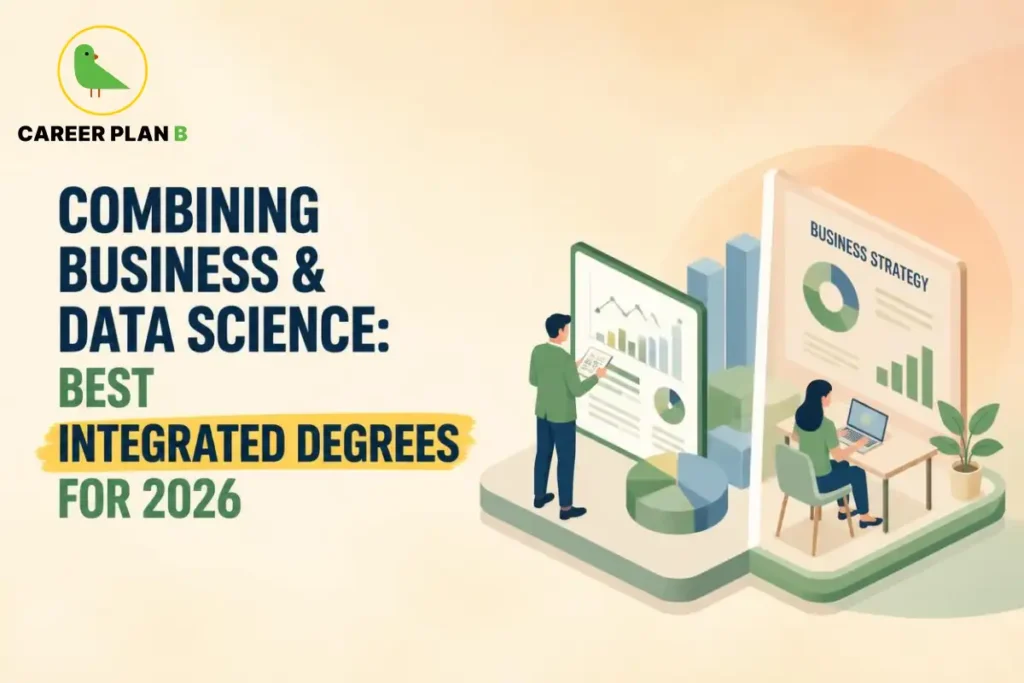
Introduction
Businesses today don’t need people who only understand spreadsheets, or only understand code; they need graduates who can move fluently between both. A genuine Business and Data Science Degree is built exactly for that gap, blending commerce fundamentals with statistical and analytical training rather than treating them as separate academic worlds.
This guide explains how these combined programmes are actually structured under India’s official degree framework, so you understand a Business and Data Science Degree through real regulatory facts, not just an appealing course title on a college website.
What Makes a Degree Genuinely “Integrated” Under Indian Regulation
Under the UGC’s Curriculum and Credit Framework for Undergraduate Programmes, introduced alongside NEP 2020, institutions have real flexibility to design multidisciplinary programmes that combine subjects across traditionally separate streams, provided they follow the prescribed credit structure and multiple entry-exit provisions (source: ugc.gov.in). This is precisely the regulatory mechanism that makes genuine Integrated Business and Data Science Programs possible, rather than requiring students to complete two entirely separate degrees sequentially.
Understanding this framework matters because it tells you what to actually check when evaluating a specific college’s claim: does the programme follow a genuinely credited, multidisciplinary structure, or is it simply a standard commerce degree with a couple of data-related electives added for marketing appeal?
What the Curriculum Actually Looks Like
A genuinely combined programme typically layers coursework across both domains rather than keeping them siloed. Core commerce and business subjects, accounting, economics, business law, marketing, sit alongside statistics, programming fundamentals (commonly Python or R), data visualization, and increasingly, introductory machine learning concepts. The better-designed versions of these programmes integrate the two directly, teaching statistical and analytical methods specifically through business case studies and real datasets, rather than teaching them as two unrelated subject blocks within the same degree.
A well-structured four-year version of this kind of degree often front-loads foundational business and statistics coursework in the first two years, then moves into more applied, project-based work in the later years, culminating in a capstone project that genuinely requires solving a business problem using real analytical methods. This progression matters because it mirrors how these skills actually get used in a working environment, where business context and technical analysis rarely arrive as separate, cleanly divided tasks.
Business Analytics Degree 2026: How This Differs from a General Data Science Degree
A common point of confusion is how a Business Analytics Degree 2026 genuinely differs from a general data science or computer science degree. The distinction comes down to application focus. A general data science degree typically goes deeper into the underlying mathematics, algorithms, and computational theory behind machine learning and statistical modeling. A business analytics degree applies a narrower, more business-focused subset of these same tools, prioritizing practical application to marketing, finance, operations, and strategic decision-making over deep technical theory.
Neither is inherently superior; they simply serve different purposes. If you’re drawn to solving business problems using data as a tool, business analytics fits better. If you’re drawn to the technical depth of building and understanding the models themselves, a broader data science or computer science path serves you better.
Have Any Doubts?
Evaluating a Specific Programme Before You Apply
Given how loosely “business and data science” combinations get marketed, verify a few things directly before applying to any specific programme:
- Check the actual credit breakdown between business and technical coursework, rather than trusting a marketing summary alone.
- Confirm the institution’s UGC recognition status, since a genuinely credited, multidisciplinary programme requires proper institutional standing.
- Look at the specific software and tools taught, since Excel-only “analytics” content differs significantly from genuine Python or R-based statistical training.
- Ask whether faculty teaching the technical components have genuine data science or statistics backgrounds, not just general commerce faculty covering the material superficially.
Read more :- Integrated Data Science Programs After Class 12: Scope & Colleges
Career Directions for Graduates
Genuine integrated graduates typically move into roles that specifically require both business context and data fluency: business analyst positions across banking, retail, and consulting; data-driven marketing and strategy roles; and increasingly, hybrid roles bridging product teams and analytics teams within technology companies. The core value proposition of this combined training is versatility, the ability to interpret data findings and translate them into genuine business decisions, rather than needing a separate specialist for each half of that process.
This versatility also shows up in how these graduates tend to grow within organizations over time. A pure technical specialist may need additional business training to move into strategic or leadership roles later, while a pure business graduate often needs to build data literacy from scratch to keep pace with increasingly data-driven decision-making across nearly every industry. Graduates who genuinely built both skill sets from their undergraduate years onward tend to face a shorter learning curve when moving into more senior, cross-functional roles, since they’re not starting from zero on either half of that equation.
How Career Plan B Helps
Evaluating whether a genuinely integrated business and data science programme fits your goals, and verifying a specific college’s actual curriculum depth, takes more than reading a glossy brochure.This is where Career Plan B can help by offering:
- Personalized Career Counselling: Helps you evaluate whether an integrated Business and Data Science Degree or a more specialized path genuinely fits your interests.
- Psychometric & Career Assessment Tests: Identifies whether your strengths lean toward business application, technical depth, or a genuine blend of both.
- Career Roadmapping: Builds a realistic plan connecting your chosen programme to internships and your first analytics or business role.
- Admission & Academic Profile Guidance: Supports you in verifying a specific institution’s genuine curriculum depth and UGC-compliant structure before enrolling.
Get In Touch With Us
Frequently Asked Questions
1. Is a Business and Data Science Degree the same as a general data science degree?
No. It typically applies a narrower set of analytical tools with a stronger business focus, rather than going as deep into underlying computational theory as a dedicated data science degree.
2. How can I verify whether a college genuinely credits its programme as ‘integrated’?
Check whether the institution publishes a clear credit breakdown between business and technical coursework, and confirm its UGC recognition status directly.
3. Do I need strong math skills for a Business Analytics Degree 2026 programme?
A reasonable comfort with statistics helps significantly, though most business analytics programmes require less advanced mathematics than a pure data science or engineering degree.
4. Can graduates of Integrated Business and Data Science Programs pursue a further technical master’s later?
Generally yes, particularly with additional coursework or certifications to strengthen technical depth, though eligibility varies by specific master’s programme.
5. What software should a genuine business analytics curriculum actually teach?
Look for Python or R-based statistical training and real data visualization tools, not just Excel-based coursework marketed as “analytics.”
Conclusion
A genuine Business and Data Science Degree offers real versatility when built on an actual credited, multidisciplinary structure under UGC’s framework, rather than existing as just an appealing course title. Understanding the real difference between business analytics and deeper technical data science helps you choose the path that genuinely fits your interests and strengths.
Verify a specific programme’s actual curriculum depth and institutional recognition before assuming an attractive title guarantees genuine integration. If you’d like help evaluating which path fits you best, Career Plan B’s counsellors are ready to guide you through it.