Deepti · September 24, 2026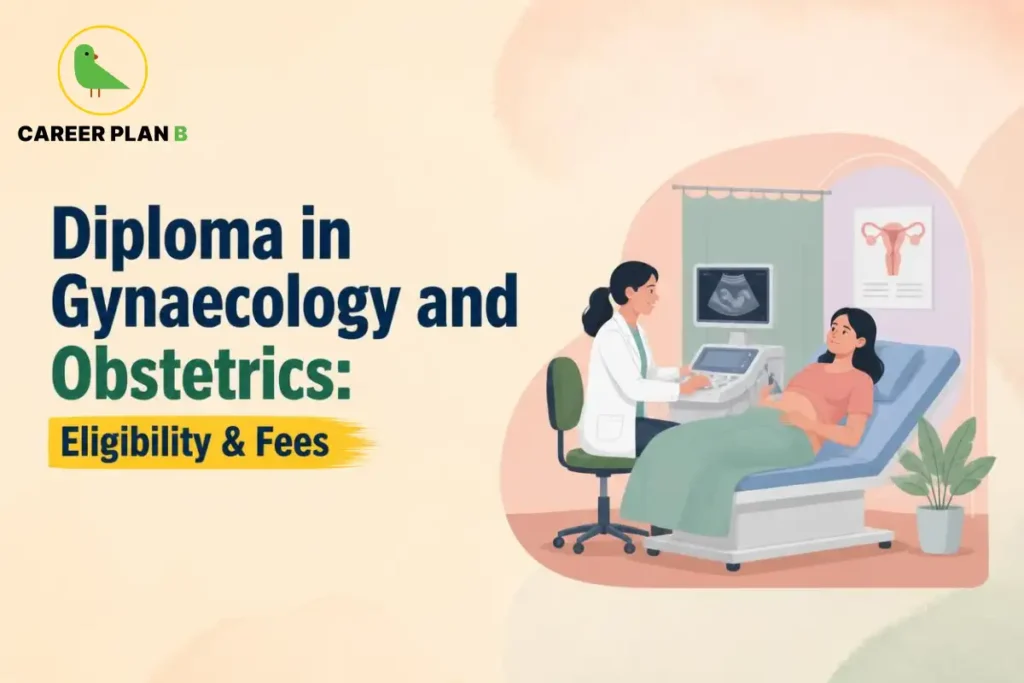
An MBBS degree opens the door to postgraduate medical training. Doctors who want focused training in women’s health can consider the Diploma in Gynaecology and Obstetrics Course, commonly called DGO. The course covers pregnancy care, childbirth, gynaecological conditions and related clinical procedures. This guide explains DGO eligibility, NEET PG admission, DGO course duration, syllabus, fees, colleges, cutoff and career opportunities in India.
What Is a Diploma in Gynaecology and Obstetrics?
The Diploma in Gynaecology and Obstetrics (DGO) is a postgraduate medical qualification in Obstetrics and Gynaecology. The National Medical Commission (NMC) lists Obstetrics and Gynaecology (D.G.O.) among recognised postgraduate diploma qualifications under its Post-Graduate Medical Education Regulations, 2023.
The course combines two connected areas:
- Obstetrics: pregnancy, antenatal care, labour, childbirth and postnatal management
- Gynaecology: disorders of the female reproductive system, fertility concerns, menstrual problems and common gynaecological conditions
The NMC competency-based curriculum also covers high-risk pregnancy, obstetric emergencies, common gynaecological disorders, infertility, reproductive endocrinology, neonatal care, family planning and medico-legal aspects of practice.
Doctors can also see the qualification written as Diploma in Obstetrics and Gynaecology or Post Graduate Diploma in Obstetrics and Gynaecology.
What Is the DGO Course Duration?
The standard DGO course duration is two years. NMC’s PGMER-2023 specifies two years for postgraduate diploma courses, including the examination period.
DGO training focuses heavily on clinical exposure. The training model can include:
- Obstetrics and gynaecology clinical postings
- Labour room and delivery management
- Antenatal and postnatal care
- Gynaecology OPD and inpatient services
- Management of obstetric emergencies
- Neonatology and allied clinical rotations
- Practical procedures, case discussions and assessments
The NBEMS DGO curriculum also requires trainees to rotate through clinical units and includes allied exposure such as neonatology, anaesthesia, radiology, surgery and radiotherapy.
For Personalized Guidance
What Is DGO Eligibility After MBBS?
The basic route to Diploma in Gynaecology and Obstetrics after MBBS starts with a recognised MBBS qualification.
For NEET PG-based admission, candidates need to satisfy the eligibility conditions in the current NBEMS examination bulletin. The requirements include a recognised MBBS qualification, the required medical registration and completion of the prescribed internship requirement.
DGO NEET PG 2026 eligibility
For the 2026 cycle, NBEMS announced a September 30, 2026 internship completion cut-off and scheduled NEET PG 2026 for August 30, 2026. Candidates should check the applicable NEET PG information bulletin for the complete eligibility rules and document requirements.
Check the official NBEMS website and NEET PG notices
How Does DGO Admission After MBBS Work?
DGO admission after MBBS normally follows the NEET PG route for recognised postgraduate diploma seats.
The process follows these steps:
1: Complete MBBS and the required internship.
2: Appear for NEET PG and obtain a valid rank.
3: Register for the applicable counselling process.
4: Check the current DGO seat matrix.
5: Add eligible DGO colleges to your choices.
6: Participate in seat allotment and complete reporting requirements.
NMC defines NEET-PG as the national eligibility-cum-entrance test for admission to postgraduate broad-speciality courses. NBEMS also states that merit-based counselling for its two-year post-MBBS diploma programmes takes place after NEET PG through the Medical Counselling Committee.
MCC conducts online counselling for the applicable All India Quota postgraduate seats and other categories under its counselling framework. State counselling authorities handle applicable state-quota seats.Check the official MCC PG Medical Counselling portal
For a broader comparison of postgraduate routes after MBBS, see PG Courses After MBBS: Specializations, Colleges & Career Scope.
What Does the DGO Syllabus Cover?
The DGO syllabus combines classroom learning with clinical training.
Obstetrics
Core areas include:
- Normal and abnormal pregnancy
- Antenatal and postnatal care
- High-risk pregnancy
- Labour and delivery
- Obstetric complications
- Medical and surgical emergencies
- Medical termination of pregnancy
- Maternal and fetal care
- Neonatal resuscitation and common newborn problems
Gynaecology
The curriculum covers:
- Menstrual disorders
- Fibroids
- Endometriosis and adenomyosis
- Genital prolapse
- Cervical disorders
- Ovarian conditions
- Gynaecological infections
- Reproductive endocrinology
- PCOS-related clinical management
- Infertility
- Benign and malignant gynaecological diseases
- Breast-related clinical knowledge
NMC’s DGO curriculum also includes family planning, reproductive and child health, infection control, medical ethics and medico-legal responsibilities.
What Are the DGO Fees in India?
DGO fees in India do not follow one national fee structure. Each institution and relevant authority can publish its own tuition and other charges.
Your total cost can include:
| Fee component | What to check |
|---|---|
| Tuition fee | College or university notification |
| Examination fee | University or examination authority |
| Hostel fee | Applicable hostel charges |
| University charges | Registration and academic charges |
| Security deposit | Refundable or non-refundable terms |
| Other institutional charges | Current college notice |
DGO government colleges generally follow fee structures published by the relevant government, university or counselling authority. DGO private colleges can follow different fee structures based on the institution and applicable regulations.
Avoid relying on one national DGO fee range. Check the latest official fee notice before locking a seat.
Which Are the DGO Colleges in India?
Students searching for DGO colleges in India should verify three things before adding a college to the preference list:
- The institution’s current recognition status
- The current DGO seat availability
- The latest counselling seat matrix and fee notification
The NBEMS diploma programme includes Obstetrics & Gynaecology among its administered diploma disciplines.
Official institutional records also show DGO training at recognised medical institutions. For example, KEM Hospital’s official postgraduate course page lists a two-year Diploma in Gynaecology Obstetrics, while the institution currently displays zero active seats for that diploma.
This detail shows why students should not copy an old DGO colleges in India list. Seat availability can change from one admission cycle to another.
NMC issued a major update in June 2026. The Commission announced a framework for converting eligible postgraduate diploma seats into MD/MS seats from the 2027–28 academic year. The notice also states that NMC will not entertain new applications to start or increase diploma seats.
What Is the DGO NEET PG Cutoff?
A common mistake involves treating one number as the DGO cutoff for every college.
The actual closing rank can differ by:
- College
- State
- Category
- Quota
- Counselling round
- Seat availability
- Candidate preference
The NEET PG qualifying cutoff and the college-specific DGO closing rank serve different purposes. A candidate may qualify NEET PG without securing a DGO seat at a particular college.
For the 2026 cycle, the final result and counselling-stage closing ranks should come from NBEMS and the relevant counselling authority. NBEMS scheduled the NEET PG 2026 examination for August 30, 2026, with the internship cut-off dated September 30, 2026.
For current allotment data, track MCC and your state counselling authority instead of using expected-cutoff tables.
What Is the DGO Scope in India?
The DGO scope in India centres on clinical care in obstetrics and gynaecology.
A DGO graduate can explore opportunities such as:
- Hospitals and maternity centres
- Women’s health clinics
- Public-sector healthcare roles
- Private hospitals
- Community and maternal health services
- Academic or clinical support roles, subject to applicable eligibility rules
- Further postgraduate training and specialty pathways
The exact role depends on medical registration, employer requirements, local regulations and the doctor’s additional qualifications.
What Are the Career Opportunities After DGO?
The DGO career path can grow through clinical experience and further training.
Doctors may work in obstetric and gynaecology departments, manage routine women’s health cases, participate in maternity services and build experience in hospital-based care.
A doctor who plans long-term specialisation can also evaluate further postgraduate pathways available under current medical education rules. The choice between DGO, MD/MS, DNB and other routes depends on the candidate’s academic profile, desired training format, career goals and counselling options.
Career Plan B’s guide on NEET PG Counselling 2026 explains the larger counselling process, including registration, choice filling and allotment.
DGO vs MD/MS in Obstetrics and Gynaecology
| Factor | DGO | MD/MS |
|---|---|---|
| Qualification | Postgraduate diploma | Postgraduate degree |
| Standard duration | 2 years | 3 years |
| Admission route | NEET PG | NEET PG |
| Training focus | Focused postgraduate training | Longer postgraduate degree training |
| Future options | Clinical work and further training | Clinical, academic and further training options |
NMC sets the postgraduate diploma duration at two years and degree-course duration at three years under PGMER-2023.
How Career Plan B Helps
Choosing a postgraduate path after MBBS can involve several moving parts.
Career Plan B provides Personalized Career Counselling, PsycheIntel and Career Assessment Tests, Admission and Academic Profile Guidance, and Career Roadmapping to help doctors compare suitable options, understand counselling requirements and plan their next academic step.
Get In Touch With Us
Frequently Asked Questions
Q1. Can I pursue a Diploma in Gynaecology and Obstetrics after MBBS?
Yes, eligible MBBS graduates can pursue recognised DGO programmes through the applicable NEET PG admission and counselling route.
Q2. What is the DGO course duration after MBBS?
The standard DGO course duration is two years, including the examination period.
Q3. What is DGO NEET PG 2026 eligibility?
Candidates must meet the current NEET PG requirements for MBBS qualification, registration and internship completion. NBEMS published a September 30, 2026 internship cut-off for NEET PG 2026.
Q4. How does DGO admission after MBBS work?
Candidates take NEET PG, participate in the applicable counselling process, fill eligible DGO choices and complete admission formalities after seat allotment.
Q5. What are the DGO fees in India?
DGO fees in India vary by institution, state, quota and fee structure. Candidates should check the latest official college or counselling notice.
Q6. How can I find DGO colleges in India?
Check NMC recognition information, NBEMS diploma details, MCC or state counselling seat matrices and the official college website before selecting a DGO college.
Conclusion
The Diploma in Gynaecology and Obstetrics Course gives MBBS graduates a two-year postgraduate route into focused obstetrics and gynaecology training. Eligibility, NEET PG rank, counselling rules, college recognition, fees and current seat availability all matter before admission. Ready to map your DGO options after MBBS? Connect with Career Plan B for structured postgraduate guidance.