Deepti · September 24, 2026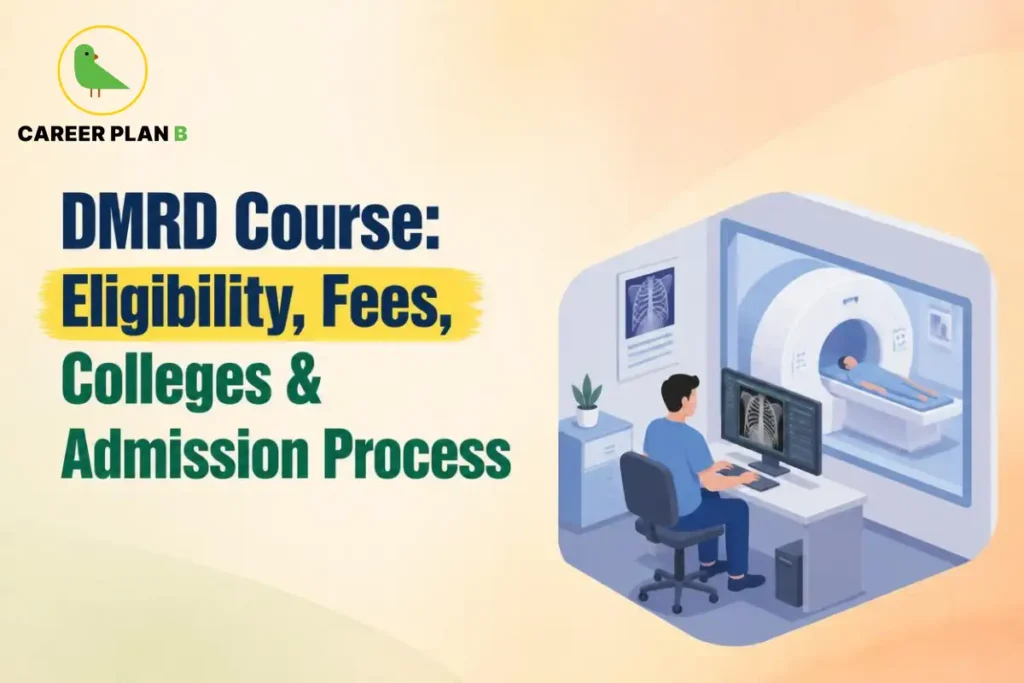
A DMRD Course gives MBBS graduates focused postgraduate training in diagnostic imaging and radiology. The programme covers X-ray, ultrasound, CT, MRI and related radiodiagnostic practice. DMRD admission follows the postgraduate medical admission framework for applicable seats, which makes eligibility, NEET-PG, counselling, fees and course recognition important before you select a seat.
What Is the DMRD Course?
DMRD stands for Diploma in Medical Radio Diagnosis. Institutions and official records also use terms such as Diploma in Radiodiagnosis and Diploma in Radio-Diagnosis. The National Medical Commission (NMC) maintains a competency-based postgraduate curriculum for Diploma in Radiodiagnosis and identifies DMRD as a postgraduate medical diploma. NMC also lists Diploma in Radio Diagnosis DMRD (NBE) among recognised diplomate qualifications.
The Diploma in Radiodiagnosis Course trains doctors to work with diagnostic imaging and interpret medical images. The NMC curriculum covers conventional radiology and modern imaging techniques such as ultrasound, computed tomography and magnetic resonance imaging. It also includes medical ethics and medico-legal aspects of imaging.
Is DMRD a Postgraduate Course After MBBS?
Yes. DMRD after MBBS is a postgraduate medical pathway for eligible medical graduates. Students enter the programme after completing their medical qualification and train in a radiology department under appropriate supervision.
The NMC curriculum expects DMRD trainees to gain knowledge in chest radiology, neuro-radiology, gastrointestinal radiology, genitourinary radiology, cardiovascular radiology, musculoskeletal radiology, emergency radiology, paediatric radiology, mammography and interventional radiology.
This distinction matters because DMRD is a medical postgraduate diploma, not a paramedical imaging programme. The course builds on MBBS-level clinical knowledge and prepares doctors for radiodiagnostic practice.
What Is the DMRD Course Duration?
The DMRD course duration is generally two years for the NBEMS Post MBBS Diploma pathway. NBEMS includes Radio Diagnosis among its nine Post MBBS Diploma specialties and identifies DMRD (NBEMS) as a two-year postgraduate diploma.
Training combines academic teaching, clinical work and supervised imaging practice. The NMC curriculum expects trainees to conduct and interpret routine and special imaging investigations and provide radiological services in emergency and trauma situations.
What Is DMRD Eligibility?
DMRD eligibility begins with an MBBS qualification recognised under the applicable medical education framework. Candidates must also meet internship and registration requirements prescribed for the relevant admission cycle.
For NEET-PG, NBEMS requires candidates to meet the prescribed MBBS qualification, registration and internship conditions. The exact internship cut-off date and other requirements come from the current NEET-PG information bulletin.
A practical Diploma in Radiodiagnosis eligibility checklist includes:
- MBBS qualification
- Completion of the required one-year internship
- Valid permanent or provisional medical registration, as applicable
- Qualification in NEET-PG for seats covered by the common PG entrance framework
- Compliance with counselling, category and document requirements
Candidates should not assume a fixed MBBS percentage for every DMRD seat. The current admission bulletin and institutional notification should decide the applicable eligibility conditions.
Check the latest information through the official NBEMS NEET-PG page before applying.
For Personalized Guidance
How Does DMRD Admission Work Through NEET PG 2026?
DMRD NEET PG 2026 applicants need to understand the entrance and counselling stages before filling choices. NBEMS states that state government and private medical colleges or universities do not conduct separate entrance examinations for admission to MD, MS and PG Diploma courses covered by NEET-PG.
The usual DMRD admission after MBBS process works through these steps:
- Qualify NEET-PG.
- Receive your NEET-PG rank and score.
- Register with the counselling authority that covers your target seat.
- Check the current DMRD seat matrix.
- Fill and lock your choices.
- Participate in seat allotment.
- Download the allotment document after selection.
- Report to the allotted institution within the deadline.
- Complete document verification, fee payment and joining formalities.
MCC conducts online counselling for applicable 50% All India Quota PG medical seats along with other categories assigned to it. Candidates seeking state quota seats must follow the counselling authority of the concerned state.
What Does the Diploma in Radiodiagnosis Syllabus Cover?
The Diploma in Radiodiagnosis syllabus combines conventional imaging with modern diagnostic techniques. The NMC curriculum sets competencies across several radiology areas.
Core DMRD Subjects and Training Areas
- Conventional X-ray and chest radiology
- Ultrasound and Doppler imaging
- Computed tomography
- Magnetic resonance imaging
- Neuro-radiology
- Gastrointestinal and genitourinary radiology
- Cardiovascular and musculoskeletal radiology
- Emergency and trauma radiology
- Paediatric radiology
- Mammography
- Interventional radiology
- Radiation safety
- Medical ethics and medico-legal responsibilities
The course also develops image interpretation, investigation selection, reporting and communication skills. NMC expects trainees to provide safe and competent radiological services across routine and emergency settings.
What Are the DMRD Fees in India?
DMRD fees in India do not follow one national fee structure. Institutions can set different tuition and institutional charges based on the course framework, management category, university and admission route.
A student should calculate the actual cost instead of relying on a national average:
Total DMRD cost = tuition + examination charges + administrative charges + hostel/living expenses + applicable deposits or other institutional fees
Government and private institutions can show major differences in tuition. The current official fee notice from the college, university or counselling authority should decide the amount payable for that admission cycle.
The same rule applies to Diploma in Radiodiagnosis fees. Check the current prospectus before paying any amount.
Which Are the DMRD Colleges in India?
DMRD colleges in India can change as accreditation, seat approvals and admission cycles change. NBEMS maintains an accreditation database and warns candidates to confirm whether accredited seats appear in the counselling for the relevant admission session.
The NBEMS 2026 renewal record lists these Post MBBS Diploma in Radio Diagnosis examples with accreditation shown through December 2026:
| Institution | State | Accredited Seats | Management | Fees |
|---|---|---|---|---|
| Tomo Riba Institute of Health and Medical Sciences, Naharlagun | Arunachal Pradesh | 4 | State Government | ₹1,25,000 |
| Hayat Hospital, Guwahati | Assam | 2 | Private | ₹1,25,000 |
| Ford Hospital and Research Centre, Patna | Bihar | 2 | Private | ₹1,25,000 |
| Tata Motors Hospital, Jamshedpur | Jharkhand | 1 | Private | ₹1,25,000 |
This table gives verified examples from the NBEMS accreditation record. It does not represent a complete list of DMRD colleges in India. Candidates should check the live accreditation database and the current counselling seat matrix before choosing a college.
Ford Hospital also publishes an official DMRD programme page that describes its two-year course, X-ray, ultrasound and CT facilities, interventional radiology exposure and supervised clinical training.
You can verify the current institutional details through the NBEMS accreditation database and the official Ford Hospital DMRD programme page.
What Should You Check Before Choosing DMRD Colleges?
Check these details before accepting a seat:
- Current recognition or accreditation status
- Current seat matrix
- Counselling authority
- Tuition and other fees
- Clinical workload
- X-ray, ultrasound, CT and MRI exposure
- Emergency and trauma case exposure
- Faculty and supervision
- Stipend and service conditions, where applicable
A college name alone cannot show the quality or depth of radiology training. The actual department, case exposure and available imaging modalities matter during a two-year programme.
What Is the DMRD Scope After MBBS?
DMRD scope after MBBS depends on the qualification awarded, registration status, training received, institutional role and applicable professional rules. The NMC curriculum prepares trainees to interpret imaging investigations and provide radiological services across routine, special, emergency and trauma settings.
Career settings can include hospital radiology departments, diagnostic imaging centres and other eligible healthcare settings.
The practical skill set can include:
- X-ray interpretation
- Ultrasound exposure
- CT interpretation
- MRI exposure
- Emergency imaging
- Radiology reporting
- Communication with treating clinicians
A DMRD graduate can also explore additional recognised postgraduate, post-diploma or fellowship pathways when the candidate meets the entry requirements. Each programme sets its own eligibility rules, so doctors should verify the next qualification before planning a transition.
DMRD vs MD Radiodiagnosis
| Factor | DMRD | MD Radiodiagnosis |
|---|---|---|
| Qualification | Postgraduate medical diploma | Postgraduate medical degree |
| Typical duration | 2 years | 3 years |
| Admission framework | NEET-PG for applicable seats | NEET-PG |
| Training | Focused radiodiagnostic training | Longer specialist training |
| Further study | Depends on eligibility | Depends on eligibility |
Both pathways require careful review of the current admission rules, course structure and long-term academic plan.
What Should You Verify Before Taking a DMRD Seat?
A DMRD seat can look attractive on paper, yet the training experience depends heavily on the department. Ask the institution these questions before paying fees:
- Does the current seat matrix show the DMRD seat?
- Which authority conducts the admission or counselling?
- What imaging modalities can residents access regularly?
- How much emergency and trauma exposure does the department provide?
- What tuition, deposits and hostel charges apply?
- What stipend and service conditions apply?
- Which body recognises or accredits the specific DMRD qualification?
Career Plan B’s NEET PG Counselling Process guide can help candidates understand registration, choice filling, allotment and reporting before they finalise their choices.
How Career Plan B Helps
Choosing between DMRD and other postgraduate medical pathways requires more than checking rank or fees.
Career Plan B provides Personalized Career Counselling, PsycheIntel and Career Assessment Tests, Admission and Academic Profile Guidance, and Career Roadmapping.
These services help MBBS graduates compare pathways, review admission requirements and plan their next academic step.
Get In Touch With Us
FAQs
Q1. What is DMRD Course and who can pursue it?
DMRD is a postgraduate medical diploma in radiodiagnosis. Eligible MBBS graduates can pursue the course after meeting the applicable admission requirements.
Q2. Is DMRD admission after MBBS possible through NEET PG?
Yes, applicable DMRD seats follow the NEET-PG admission framework. Candidates must check the current counselling notice and seat matrix.
Q3. What is the DMRD course duration?
The DMRD course duration is two years for the NBEMS Post MBBS Diploma pathway.
Q4. How much are DMRD fees in India?
DMRD fees in India vary by institution and admission cycle. Check the current official fee notice before admission.
Q5. Which are the DMRD colleges in India?
NBEMS records list institutions such as Tomo Riba Institute of Health and Medical Sciences, Hayat Hospital, Ford Hospital and Tata Motors Hospital for Radio Diagnosis Post MBBS Diploma accreditation in its 2026 renewal record.
Q6. What is the DMRD scope after MBBS?
DMRD scope after MBBS includes radiodiagnostic work in eligible clinical settings. The course develops skills in imaging interpretation, reporting and radiology services.
Conclusion
The DMRD Course gives MBBS graduates focused training in radiodiagnosis across X-ray, ultrasound, CT, MRI and emergency imaging. Eligibility, NEET-PG rules, seats, fees and recognition can change by admission cycle. Check NMC, NBEMS and counselling notices before choosing a college. Need help comparing DMRD options after MBBS? Explore Career Plan B’s counselling support and plan your next step with clarity.