Team6 · July 28, 2026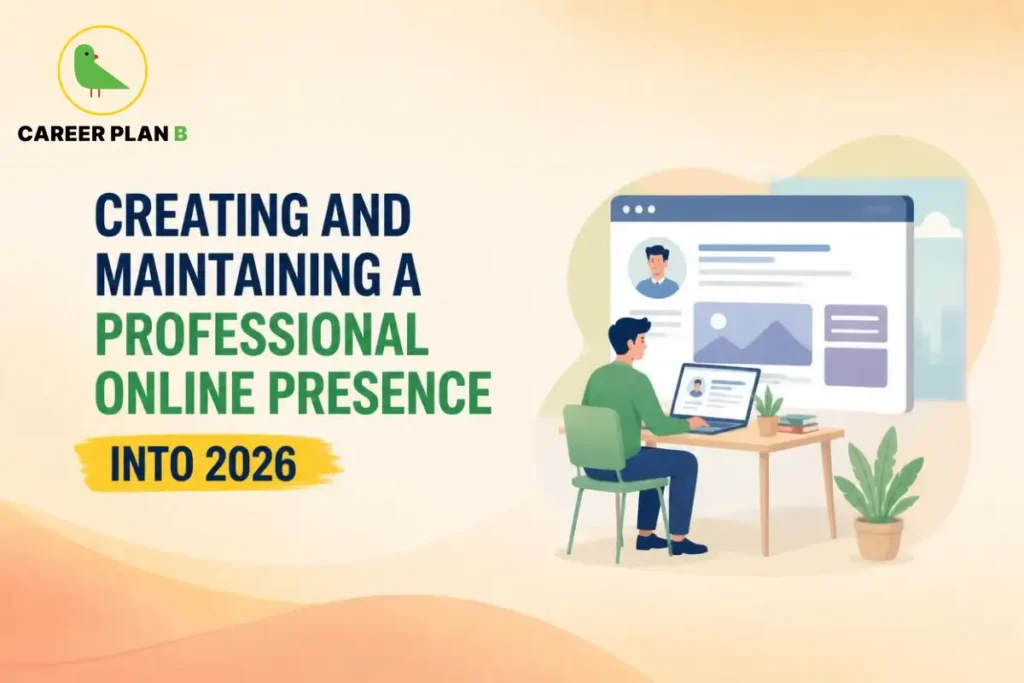
Introduction
Before most recruiters ever meet you, they search for you online. What they find often shapes their first impression more than your resume does.A professional online presence isn’t about pretending to be someone else. It’s about making sure what’s already visible about you tells an accurate, coherent story. Most students either ignore this entirely or focus only on LinkedIn, while leaving old, outdated, or inconsistent details scattered elsewhere.
This guide covers how to build and maintain a professional online presence into 2026. It walks through auditing what’s already out there, optimising your key profiles, staying consistent across platforms, and protecting your privacy along the way.
Why This Matters More Than It Used To
A few real shifts make this more important now than it was even a few years ago.
Recruiters check online profiles routinely, not occasionally. A quick search has become a standard early step in hiring, not an unusual extra check reserved for senior roles.
Your digital footprint grows without you noticing. Old accounts, forgotten posts, and outdated profile details accumulate over years, often without a single deliberate decision behind any of it.
Consistency across platforms builds credibility. A profile that says one thing on LinkedIn and something else entirely elsewhere raises quiet doubts, even when nothing is actually wrong.
Step One: Audit What Already Exists About You
Before improving anything, find out what’s already visible. Search your own name, including common variations and nicknames, and review the results honestly.
Check old social media accounts you may have forgotten about, especially ones created years ago with a different tone or content style. Look at your privacy settings on personal accounts you want to keep separate from your professional presence. Note anything outdated, inconsistent, or simply irrelevant to how you want to be seen professionally.
This audit step is uncomfortable for many students, since it means confronting years of unfiltered posting. It’s also the single most useful step, since you can’t fix what you haven’t identified.
Step Two: Build a Strong, Accurate LinkedIn Profile
LinkedIn remains the primary professional platform most recruiters check first. A few specific elements matter most.
Use a clear, professional photo, not a cropped group picture or a casual selfie. Write a headline that states what you actually do or are working toward, not just your current degree title. Keep your experience section accurate and specific, listing real outcomes from internships or projects rather than vague duty descriptions. Add skills that genuinely match your target roles, since these affect how recruiters find you through search.
Update this profile every few months, not just once when you first create it. A profile that hasn’t changed in two years signals stalled progress, even if that’s not true.
Step Three: Register on the National Career Service Portal
Beyond LinkedIn, the National Career Service portal , run by the Ministry of Labour and Employment, lets you build a verified professional profile tied to your qualifications and skills.
This adds a government-verified touchpoint alongside your LinkedIn presence, particularly useful for government job applications, PSU recruitment, and sector-specific job matching. Keep this profile updated alongside your other platforms, rather than treating it as a one-time registration.
Step Four: Clean Up What Doesn’t Belong
Once your professional profiles are solid, turn back to the accounts you found in Step One that don’t serve your professional image.
Delete or deactivate old accounts you no longer use, especially ones with outdated or embarrassing content from years ago. Adjust privacy settings on personal social media so casual posts stay visible only to people you actually know, not to anyone searching your name. Remove or edit old posts that no longer reflect who you are or what you’re building toward professionally.
You don’t need to scrub your entire online history. You need your first-page search results to reflect you accurately, not an outdated or careless version from years back.
Step Five: Keep Your Story Consistent Across Platforms
Recruiters increasingly cross-check details across platforms, so inconsistency stands out quickly.
Make sure your job titles, dates, and project descriptions match across LinkedIn, your resume, and any portfolio site you maintain. Small inconsistencies, such as different internship dates in different places, look careless even when they’re honest mistakes. Keep your professional bio or summary similar in tone across platforms, even if the exact wording varies slightly by format.
A Simple Online Presence Checklist
| Area | What to Check | How Often |
|---|---|---|
| Search results | Review what appears for your name | Every 3-4 months |
| LinkedIn profile | Photo, headline, experience, skills | Every 2-3 months |
| NCS profile | Qualifications, skills, status | Every 3-4 months |
| Old accounts | Privacy, outdated content | Once, then occasional spots |
| Consistency | Titles, dates across platforms | When updating any one |
Have Any Doubts?
Protecting Your Privacy While Staying Visible
Building a professional presence doesn’t mean giving up all privacy. A few boundaries help keep both intact.
Keep personal social media, meant for friends and family, separate from your professional platforms, using stricter privacy settings there. Avoid posting sensitive personal details, such as your home address or daily location patterns, on any public-facing profile. Think before posting anything during a heated moment online, since posts can resurface in searches long after you’ve moved past the moment that prompted them.
How Career Plan B Helps
Building a strong online presence takes more than following a generic checklist. Career Plan B helps you approach it with the right context through:
- Personalised Career Counselling to help you shape a professional narrative that genuinely reflects your goals and strengths.
- Psycheintel Career Assessment Tests to clarify what to actually highlight across your profiles, based on your real aptitudes.
- Admission and Academic Profile Guidance to help you present your academic and project work effectively to recruiters and institutions.
- Structured Career Roadmapping to keep your online presence updated in step with your broader career plan, not as an afterthought.
For Latest Information
Frequently Asked Questions
Q1. Do I really need to worry about this before I start actively job hunting?
Yes. Recruiters and even some academic programs check online presence well before a formal application stage. Building this early means you’re not scrambling to fix years of neglect right when it matters most.
Q2. Should I delete all my old social media accounts?
Not necessarily. Deactivating or deleting truly outdated or irrelevant accounts helps, but you can also just tighten privacy settings on accounts you want to keep for personal use.
Q3. How often should I update my LinkedIn profile?
Every two to three months works well for most students, especially after finishing a course, project, or internship. A profile that never changes signals stalled progress, even when that’s not the case.
Q4. What’s the biggest mistake students make with their online presence?
Inconsistency across platforms is one of the most common issues. Different dates, titles, or descriptions across LinkedIn, a resume, and a portfolio site quietly undermine credibility, even when every detail is technically true.
Q5. Is the National Career Service portal worth using alongside LinkedIn?
Yes, particularly if you’re interested in government jobs, PSU roles, or sector-specific opportunities. It adds a verified, government-backed profile that complements rather than replaces your LinkedIn presence.
Q6. How do I handle old posts I’m not proud of without deleting my whole history?
Review and remove or edit specific posts that clearly don’t reflect who you are now, rather than deleting entire accounts. A thoughtful edit is usually enough; a complete erasure is rarely necessary.
Conclusion
Your professional online presence often speaks before you do. A strong one doesn’t require reinventing yourself. It requires an honest audit of what’s already visible, a solid, current LinkedIn profile, a verified presence on platforms like the National Career Service portal, and consistency across everything a recruiter might find.
Build this gradually, and revisit it regularly. A presence you maintain steadily will always serve you better than one you scramble to fix right before it matters.
Not sure how your current online presence actually looks to a recruiter? Career counselling at Career Plan B can help you build a clearer, more accurate professional story.