Team6 · October 5, 2026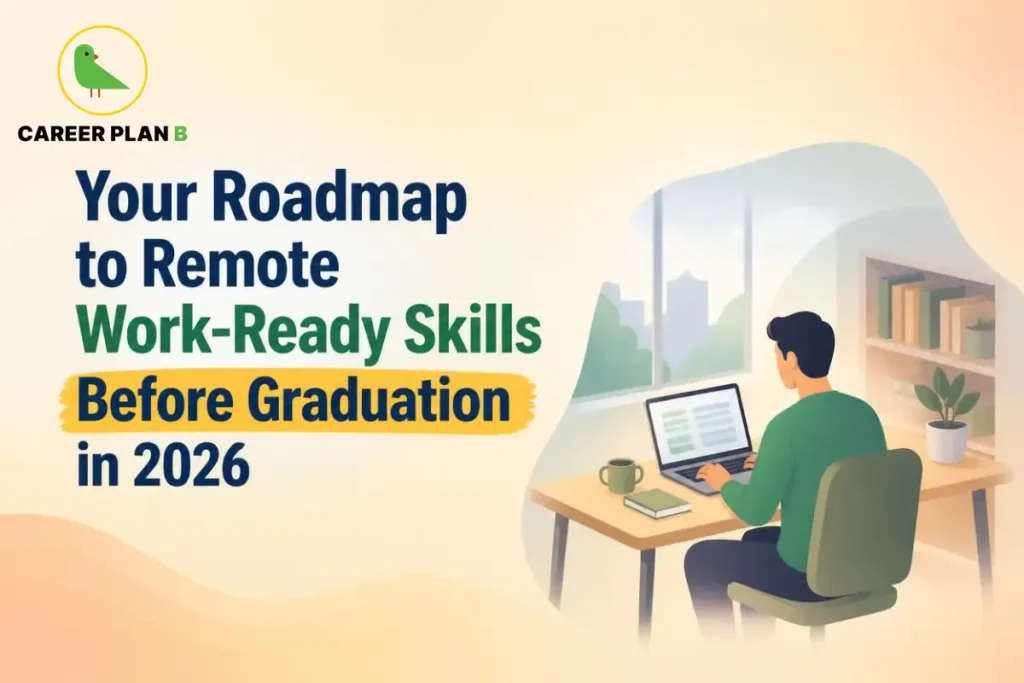
Introduction
The global corporate landscape has permanently shifted in 2026, with massive multinational companies and agile tech startups operating entirely without physical offices. Consequently, simply holding a traditional university degree is no longer enough to impress modern, borderless hiring managers. Today, recruiters desperately seek candidates who already possess a highly specific, proven set of remote work capabilities before they even leave campus.
Unfortunately, traditional university curriculums rarely teach the complex digital communication and self-management frameworks required to thrive in a decentralized workforce. Graduates who lack these specific skills frequently struggle to secure premium international salaries, missing out on massive global opportunities. Therefore, building your roadmap to remote work-ready skills before graduation is the most lucrative investment you can make in your early career.
This comprehensive guide breaks down exactly what global employers expect from fresh graduates in the remote economy. By mastering asynchronous communication, building a visible digital portfolio, and understanding global time zones, you can confidently secure high-paying borderless roles.
1. Mastering Asynchronous Communication
In a globalized workforce, your colleagues and managers will likely live in entirely different continents and time zones. Therefore, relying on immediate, real-time responses or constant video calls is completely impossible.
The Shift to Written Documentation
The absolute foundation of remote work is mastering asynchronous communication, which means communicating effectively without expecting an instant reply. Remote companies rely heavily on rigorous, highly detailed written documentation to keep projects moving forward while half the team sleeps. Students must aggressively practice writing concise, context-rich emails and project briefs that leave absolutely zero room for misinterpretation.
Fluency in Remote Work Stacks
You must move far beyond basic college email systems and become completely fluent in modern corporate communication stacks. Familiarize yourself deeply with professional collaboration platforms like Slack, Microsoft Teams, and highly structured project management tools like Jira or Asana. Demonstrating fluency in these specific software ecosystems proves to recruiters that you can seamlessly integrate into their daily digital workflows.
2. Essential Cloud and Cybersecurity Competencies
Working from your bedroom or a local coffee shop introduces massive logistical and security challenges for corporate IT departments. Remote employers expect you to independently manage your digital workspace flawlessly.
Advanced Cloud Collaboration
Remote workers must be absolute experts at navigating complex cloud environments. You should be highly proficient in live, multi-author document collaboration using Google Workspace or Microsoft 365. Furthermore, understanding basic cloud file architectures ensures you never accidentally delete or misplace critical, shared corporate assets.
Basic Digital Security Protocols
Data breaches cost global companies millions of dollars annually, making digital security a top priority for remote hiring managers. Students should proactively learn how to secure their home networks, utilize corporate Virtual Private Networks (VPNs), and strictly enforce Two-Factor Authentication (2FA). Proving you understand these strict digital compliance protocols instantly elevates your resume above other entry-level candidates.
3. Self-Management and Global Time Zoning
The biggest fear managers have when hiring remote freshers is a lack of accountability and poor time management. When nobody is physically watching you work, extreme self-discipline becomes your most valuable corporate asset.
Independent Output and Timeboxing
To succeed remotely, you must master the art of self-directed output. Implement rigorous productivity frameworks like timeboxing or the Pomodoro technique to ensure you hit strict corporate deadlines without external micro-management. By treating your university assignments like remote client projects, you actively train your brain for high-pressure, independent work environments.
Navigating International Operations
Operating in a borderless economy requires a flawless understanding of global logistics. You must become comfortable scheduling meetings across multiple time zones, utilizing standard metrics like Coordinated Universal Time (UTC) or Greenwich Mean Time (GMT). Furthermore, gaining exposure to cross-cultural communication norms ensures you can collaborate smoothly with diverse, international team members.
Have Any Doubts?
4. Building a “Proof of Work” Digital Portfolio
In the remote job market, traditional paper resumes are completely obsolete. Remote hiring managers care exclusively about verifiable digital proof of your specific skills.
Showcasing Real-World Projects
Start building a highly visible digital footprint well before your graduation day. Software engineering students should actively maintain a green, heavily populated GitHub repository, while creative professionals must curate polished portfolios on Behance. This “proof of work” allows global recruiters to instantly verify your technical capabilities without a formal physical interview.
Leveraging Global Freelance Platforms
The best way to prove you are remote-ready is to actually complete remote work while still in college. Utilize global platforms like Upwork or Fiverr to secure short-term freelance contracts or virtual internships. Having verifiable international client testimonials on your LinkedIn profile guarantees you absolute priority during competitive corporate recruitment drives.
Salary Expectations for Remote Entry-Level Roles (2026)
Securing a remote role directly out of college frequently allows Indian graduates to earn salaries pegged to stronger international currencies like USD or Euros.
| Remote Job Role | Core Digital Skillset | Average Starting Salary (INR Equivalent) |
|---|---|---|
| Remote Software Developer | GitHub, Agile, Asynchronous coding | ₹8.0 – ₹15.0+ LPA |
| Digital Marketing Analyst | SEO, Google Analytics, Notion | ₹5.0 – ₹9.0+ LPA |
| Virtual Operations Assistant | Slack, Asana, Global scheduling | ₹4.0 – ₹7.0+ LPA |
| Freelance Content Writer | CMS platforms, SEO, Client communication | ₹4.5 – ₹8.0+ LPA |
(Source: Aggregated data from 2026 global remote hiring trends, highlighting the premium compensation for borderless talent).
How Career Plan B Helps
Transitioning smoothly from a traditional college environment into a highly lucrative global remote career requires strategic upskilling. Career Plan B assists ambitious students in navigating this complex digital transition with absolute clarity.
- Personalised Career Counselling: We thoroughly evaluate your digital literacy to ensure you target remote roles perfectly aligned with your natural strengths.
- Psycheintel & Career Assessments: Scientifically backed tests that accurately map your unique capacity for self-management and high-stress independent work.
- Customized Admission Guidance: Strategic support to help you secure prestigious, remote-first global internships and highly valued digital certifications.
- Career Roadmapping: Tailored, long-term pathways that guarantee your specific digital portfolio aligns perfectly with the highest-paying borderless companies in 2026.
Get In Touch With Us
Frequently Asked Questions
Q1. Why are remote work-ready skills important before graduation?
They are critical because modern global companies operate entirely in digital, decentralized environments. Having these skills proves to recruiters that you can manage yourself independently without needing constant, in-person supervision.
Q2. What is the most important skill for remote work?
Mastering asynchronous communication is universally considered the most important remote skill. You must be able to write incredibly clear, detailed updates so international colleagues can understand your progress while you sleep.
Q3. Can freshers get high-paying remote jobs in 2026?
Yes, absolutely. By leveraging global freelance platforms and showcasing a strong digital portfolio, Indian freshers routinely secure high-paying remote roles from US or European startups.
Q4. How do I prove I have remote work skills to an employer?
The best method is to build a massive “proof of work” portfolio online. Completing virtual internships, contributing to open-source GitHub projects, or securing freelance client testimonials provides undeniable proof of your capabilities.
Q5. Do I need to know specific software for remote jobs?
Yes. You should be highly fluent in standard remote collaboration stacks, specifically tools like Slack, Zoom, Google Workspace, and project management software like Asana or Jira.
Conclusion
Analyzing the modern corporate sector reveals exactly why building a roadmap to remote work-ready skills before graduation is non-negotiable in 2026. By moving beyond traditional textbook learning and mastering asynchronous communication, cloud collaboration, and strict self-management, you transform yourself into an elite global asset. Furthermore, securing these skills early completely frees you from geographic salary limitations, allowing you to access premium international compensation directly from your home.
Ultimately, the future of work is undeniably borderless, and those who adapt early will dominate the job market. If you are ready to identify the exact digital certifications and remote internships that fit your unique ambitions, consult Career Plan B today to build a meticulously personalized roadmap to global success.