Team6 · July 22, 2026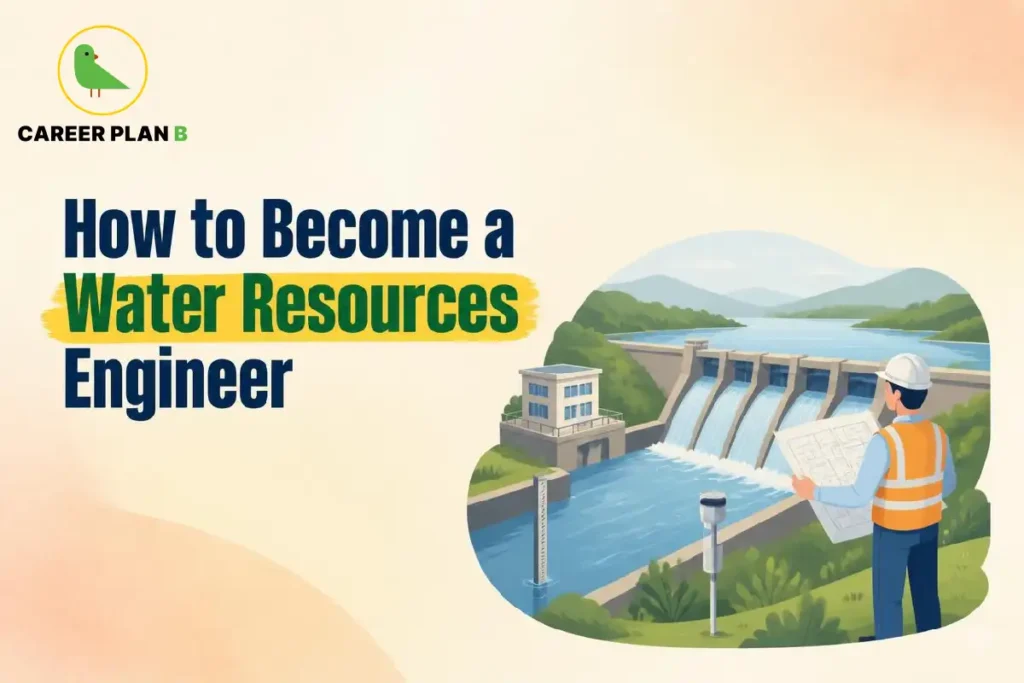
Introduction
Ageing water systems, drought, and rising demand have made water infrastructure one of the more pressing challenges facing communities today. That’s exactly why understanding how to become a water resources engineer matters if you’re the kind of person who wants to work on solving genuinely important, tangible problems. A lot of people know this specialization exists, but aren’t quite sure what the actual path looks like, from choosing a degree to eventually getting licensed.
Let’s walk through what this career actually involves and how you’d realistically get there.
What Does a Water Resources Engineer Actually Do?
Water resources engineers work on the systems that manage how water moves through our communities: water supply, flood control, wastewater treatment, and dam or reservoir design. The U.S. Army Corps of Engineers, for example, manages an enormous range of civil works projects tied to water infrastructure and flood risk reduction across the country (USACE Civil Works). This kind of large-scale, publicly important work is a good example of the broader category of water infrastructure careers, and it gives you a sense of just how varied this specialization can be.
Step 1: Get the Right Degree
Most water resources engineers start with a bachelor’s degree in civil engineering, often with a specialization or concentration in water resources. According to the U.S. Bureau of Labour Statistics, civil engineers overall earned a median annual wage of $99,590 in May 2024, with employment projected to grow 5% through 2034 (BLS Civil Engineers). Pursuing a water resources engineering degree typically means taking core civil engineering coursework alongside specialized classes in hydrology and hydraulics. This kind of civil engineering water specialization is usually available at the undergraduate level, though some engineers pursue a master’s degree for more advanced technical roles.
Step 2: Build the Right Skills
Beyond the degree itself, this field requires a specific technical skill set. Water resources engineering skills typically include a solid understanding of hydrology (how water moves through the environment), hydraulics (how water behaves in pipes and channels), and modelling software used to simulate flood risk or water system performance. Project management skills matter too, since much of this work involves coordinating large, multi-year infrastructure projects. The U.S. Army Engineer Institute for Water Resources, which supports research and analysis on water resources planning and policy, offers a sense of just how technical and data-driven this specialization can get at the federal level (USACE Institute for Water Resources).
Step 3: Gain Experience and Pursue Licensure
Like most engineering disciplines, becoming a licensed water resources engineer takes time and careful planning. According to the BLS, civil engineers who provide services directly to the public usually need a state-issued license. This process begins with passing the Fundamentals of Engineering (FE) exam. After that, engineers gain several years of supervised work experience. They must then pass the Principles and Practice of Engineering (PE) exam. Earning a Professional Engineer (PE) license with a water resources specialization allows you to approve projects and take on greater responsibility. It is especially valuable if you want to lead projects or work with public agencies.
Have Any Doubts?
Step 4: Explore Career Paths and Employers
Once you’re trained and, ideally, licensed, there’s real variety in where this water engineer career path can take you. Federal opportunities exist through agencies like the U.S. Army Corps of Engineers, which handles water-resource projects on a national scale. State and municipal agencies hire water resources engineers for local infrastructure planning, while private consulting firms handle projects for clients ranging from municipalities to industrial facilities. Water reuse and recycling is another growing area of specialization, with the EPA’s Water Reuse Program actively working to expand water recycling applications for industry, agriculture, and municipal use across the country (EPA Water Reuse and Recycling). Broader water resources engineering jobs data also overlaps meaningfully with environmental engineering, a closely related field with roughly 39,400 jobs nationally and steady growth projected through 2034 (BLS Environmental Engineers).
How Career Plan B Helps
Career Plan B helps students plan their water resources engineering career through personalized guidance, assessments, and structured career planning.
Personalized Career Counselling: Helps identify whether water resources engineering matches your interests, skills, and career goals.
Psychometric & Career Assessment Tests: Evaluate strengths and preferences to suggest suitable engineering career paths.
Career Roadmapping: Provides a step-by-step plan for education, skill development, and professional growth.
Admission & Academic Profile Guidance: Supports students in selecting the right courses, colleges, and specialization options.
Get In Touch With Us
Frequently Asked Questions
1. Is water resources engineering the same as civil engineering?
It’s a specialization within civil engineering, focused specifically on water systems, rather than a completely separate field.
2. Do I need a master’s degree to specialize in water resources?
Not always, though a master’s can help for more advanced technical or research-focused roles in this specialization.
3. How long does it take to become a licensed Professional Engineer?
It typically takes a bachelor’s degree, several years of supervised work experience, and passing two licensing exams, often around 4 to 6 years total after graduation.
4. What software do water resources engineers typically use?
Hydrology and hydraulics modelling software are common tools, alongside general civil engineering design programs.
5. Is this a growing career field?
Yes. Ageing infrastructure and ongoing water management challenges continue to support steady demand in this specialization.
Conclusion
Learning how to become a water resources engineer really comes down to a clear, if lengthy, path: the right civil engineering degree with a water specialization, building specific technical skills in hydrology and hydraulics, gaining experience toward licensure, and then choosing the employer type that fits how you want to work, whether that’s federal agencies, local government, or private consulting.
If you’re ready to start mapping out this path, Career Plan B can help you figure out the right academic steps and explore whether this specialization genuinely fits your interests. Water infrastructure isn’t going away as a challenge anytime soon, and there’s real, lasting demand for engineers who want to help solve it.