Team6 · September 18, 2026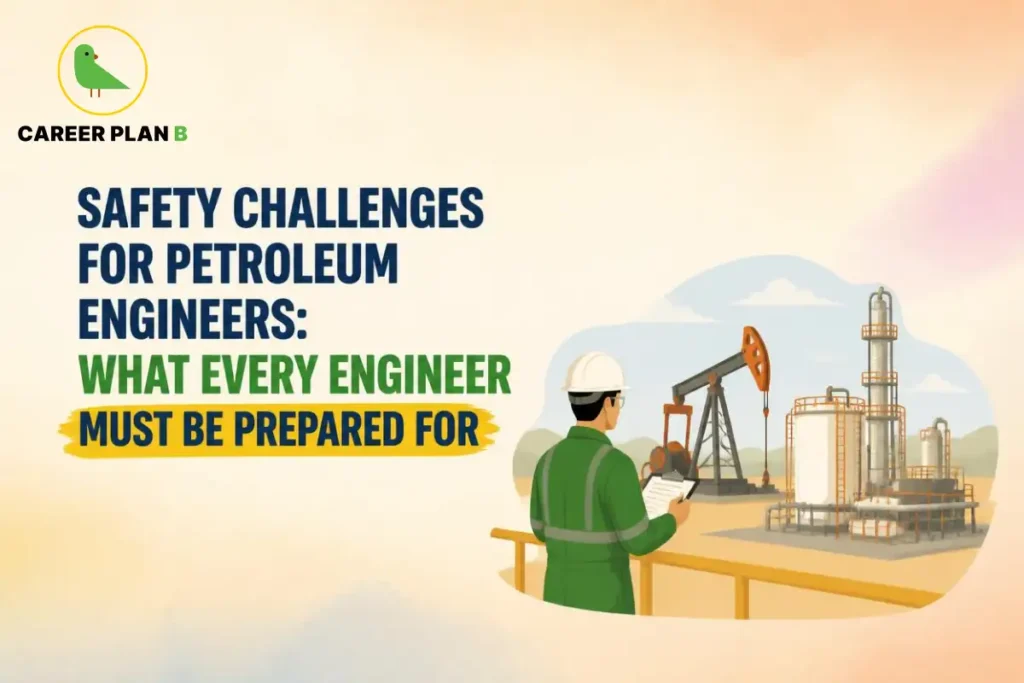
Introduction
Petroleum engineering is one of the most technically demanding and financially rewarding careers in the world. But it is also one of the most hazardous. Every day, petroleum engineers work in environments where a single miscalculation, a pressure spike in a wellbore, a gas leak on a platform, or a structural failure in a pipeline, can have consequences that extend far beyond equipment damage. Lives, communities, and ecosystems can all be affected.
The safety challenges for petroleum engineers are not simply risks to be acknowledged and set aside. They are core professional responsibilities that every engineer in this field must understand deeply, prepare for rigorously, and manage actively throughout their career. Safety is not a department in the oil and gas industry; it is a discipline, a mindset, and a non-negotiable engineering competency.
This blog gives you a clear, comprehensive picture of the major safety challenges petroleum engineers face, the regulatory framework that governs them in India, the certifications required, and the skills needed to navigate high-risk environments with confidence.
Why Safety Is a Core Competency in Petroleum Engineering
The stakes in petroleum engineering operations are extraordinarily high. A single well blowout can release thousands of barrels of crude oil, trigger fires that burn for weeks, and endanger the lives of dozens of workers. An offshore platform fire or structural failure in a remote marine location presents evacuation and rescue challenges that dwarf those of any onshore emergency.
In India, the oil and gas safety framework is overseen by multiple regulatory bodies operating under the Ministry of Petroleum and Natural Gas and the Directorate General of Hydrocarbons. These institutions exist precisely because the consequences of safety failures in this industry are severe enough to demand structured, enforceable standards rather than voluntary compliance.
For any engineer entering this field, understanding health and safety in oil and gas industry operations is not optional; it is foundational.
Major Safety Challenges for Petroleum Engineers
Blowout Prevention in Oil and Gas
A blowout, the uncontrolled release of crude oil or gas from a well, is among the most feared events in petroleum engineering. Blowout prevention in oil and gas requires meticulous well design, precise management of drilling fluid pressure, and the correct installation and testing of blowout preventers (BOPs). When these systems fail or are operated incorrectly, the results can be catastrophic.
Engineers must understand formation pressure gradients, mud weight management, and BOP testing protocols thoroughly. Well control certifications from bodies like the International Well Control Forum are considered essential for engineers involved in drilling operations anywhere in the world.
Fire and Explosion Hazards
Hydrocarbons are inherently flammable. Oil and gas facilities, whether onshore processing plants, refineries, or offshore platforms, contain vast quantities of combustible material under pressure. Ignition sources range from electrical sparks and hot work operations to static discharge. Fire and explosion hazards represent one of the most persistent petroleum engineering workplace hazards, demanding rigorous hot work permit systems, gas detection infrastructure, fire suppression systems, and regular emergency drills.
The Petroleum and Explosives Safety Organisation (https://www.peso.gov.in/) under the Government of India regulates the storage, handling, and transportation of petroleum products and explosive materials a critical compliance framework for petroleum engineers working in processing and storage roles.
Hydrogen Sulphide Exposure
Hydrogen sulphide, commonly known as H2S is a colourless, highly toxic gas that occurs naturally in many oil and gas reservoirs. It is heavier than air, accumulates in low-lying areas, and is detectable by smell only at low concentrations. At higher concentrations, it causes immediate olfactory paralysis, meaning workers lose the ability to smell it just as it becomes most dangerous.
H2S exposure is one of the most serious health and safety concerns in the oil and gas industry, particularly in sour gas fields. Engineers working in H2S environments must be trained in detection, personal protective equipment use, and emergency response procedures. H2S awareness and survival training are standard pre-deployment requirements for engineers working in many Middle Eastern and domestic sour gas fields.
Structural Failures on Offshore Platforms
Offshore platforms are exposed to continuous mechanical stress from wave action, wind loading, corrosion, and the weight of drilling and production equipment. Fatigue cracking, weld failures, and foundation scour are persistent structural risks that require ongoing inspection and engineering assessment. Risk management in petroleum engineering at offshore facilities involves regular structural integrity management programmes, non-destructive testing, and conservative maintenance scheduling to prevent failures before they occur.
Pipeline Leaks and Pressure Failures
Onshore and subsea pipelines are critical arteries of petroleum infrastructure and potential sources of significant safety and environmental incidents. Corrosion, third-party damage, material defects, and pressure transients can all trigger leaks or ruptures. Pipeline integrity management, using tools like intelligent pigging and real-time pressure monitoring, is a specialised engineering discipline within the broader petroleum engineering safety framework.
Read More : Petroleum vs Energy Engineering: Which Branch Should You Choose for Your Career?
Offshore-Specific Safety Challenges
Offshore safety regulations in India govern one of the most demanding operating environments in the petroleum industry. The combination of remote location, extreme weather exposure, and the physical constraints of a floating or fixed platform creates safety challenges that simply do not exist on shore.
The Indian Coast Guard coordinates emergency response for offshore incidents in Indian waters, while the Directorate General of Shipping regulates the safety of floating offshore structures and the personnel working aboard them. ONGC offshore operations follow a comprehensive safety management system aligned with both domestic regulations and international standards.
Have Any Doubts?
Regulatory Framework Governing Petroleum Safety in India
India’s oil and gas safety regulatory architecture involves several bodies, each covering a distinct operational domain.
The Oil Industry Safety Directorate is the primary technical body responsible for developing and enforcing OISD safety guidelines in the petroleum industry across all oil and gas operations in India. OISD standards cover everything from fire protection systems and electrical safety to well control and storage tank design. Compliance with OISD guidelines is mandatory for all operators, including ONGC, Oil India, and private sector companies.
The Directorate General of Mines Safety under the Ministry of Labour and Employment regulates safety in onshore oil and gas mining operations, including drilling and well servicing activities. DGMS inspectors conduct regular audits of onshore petroleum operations and have the authority to halt unsafe activities.
The National Disaster Management Authority provides the broader national framework for disaster response, including guidance relevant to major industrial accidents in the oil and gas sector.
Essential Safety Certifications for Petroleum Engineers
Building a credible safety profile requires specific certifications beyond your engineering degree. The most important include the following:
IWCF Well Control Certification from the International Well Control Forum is the global standard for drilling engineers and supervisors involved in well operations. Many international oil companies will not deploy engineers to drilling operations without a valid IWCF certificate.
H2S Awareness and Survival Training is required for engineers working in sour gas environments, covering detection, PPE, and emergency response specific to hydrogen sulphide hazards.
Fire safety and permit-to-work training are standard requirements across most upstream operating companies in India and internationally.
Skills and Mindset Required for Safety in Petroleum Engineering
Technical knowledge of safety systems is necessary but not sufficient. The most safety-competent petroleum engineers combine technical expertise with a specific set of professional skills and personal attributes.
Risk management in petroleum engineering requires the ability to systematically identify hazards, assess their likelihood and potential severity, and implement controls before incidents occur, not after. This structured approach to risk is embedded in methodologies like HAZOP (Hazard and Operability Study) and Job Safety Analysis that petroleum engineers use routinely in field and facility design.
Clear, direct communication during emergencies is as critical as any technical response. Engineers who can communicate hazard information calmly and precisely to teams under stress are enormously valuable in crisis situations. This is also a key dimension of oil and gas safety standards in India, as enforced through OISD and DGMS frameworks.
How Career Plan B Helps
Understanding petroleum engineering safety challenges is important. However, you also need to assess your aptitude, preparation, and ability to handle demanding work environments.
Career Plan B offers PsycheIntel assessments to help you identify your natural strengths. These include crisis management, analytical thinking, and high-pressure decision-making.Career Plan B also provides personalised career counselling and roadmapping. These services can help you choose suitable specialisations, certifications, and employers. As a result, you can enter petroleum engineering with a clear and well-prepared career strategy.
Get In Touch With Us
Frequently Asked Questions
1. What are the most dangerous safety challenges for petroleum engineers on offshore platforms?
Blowouts, fires, explosions, H2S exposure, and structural failures pose serious risks on offshore platforms. Remote locations can make these risks harder to manage. Evacuation constraints and extreme weather can add further challenges.
Therefore, engineers need proper safety certifications and emergency training. These skills help them respond effectively in offshore environments.
2. What is the role of OISD in petroleum engineering safety in India?
The Oil Industry Safety Directorate (OISD) develops and enforces safety standards for India’s oil and gas industry. Its guidelines cover upstream, midstream, and downstream operations.OISD standards address well control, fire protection, electrical safety, storage, and emergency response. Together, these guidelines form a key part of India’s petroleum safety framework.
3. Is BOSIET certification mandatory for all petroleum engineers?
BOSIET is mandatory for engineers working on offshore oil and gas installations. Engineers in onshore roles may not require BOSIET but will typically need other safety certifications relevant to their specific operational environment, such as fire safety, H2S awareness, or well control training.
4. How does risk management in petroleum engineering work in practice?
Risk management in petroleum engineering involves systematic hazard identification through tools like HAZOP and job safety analysis, followed by risk assessment, control implementation, and ongoing monitoring. It is embedded into every phase of petroleum operations from well design and drilling to production and decommissioning.
5. Which government body regulates onshore petroleum safety operations in India?
The Directorate General of Mines Safety regulates safety in onshore oil and gas mining and drilling operations in India. It conducts inspections, enforces compliance, and has the authority to suspend unsafe operations at onshore petroleum sites.
Conclusion
Petroleum engineers face serious and ongoing safety challenges. However, proper knowledge, training, and certifications can help manage these risks. A strong professional mindset also plays an important role.
Engineers should treat safety as a core engineering skill. They should not view it only as a regulatory requirement. This approach can support long and impactful careers in the industry.
India has a strong regulatory framework. OISD, DGMS, DGH, and the Ministry of Petroleum and Natural Gas provide important safety standards. However, the industry also needs engineers who prioritise safety. Technical excellence and a strong safety culture must work together.If you are preparing to enter this field, Career Plan B can help you plan your career. Build your profile with clarity and confidence from the start.
In petroleum engineering, safety is not just a value; it is the foundation everything else is built on.