Team6 · November 2, 2026
Introduction
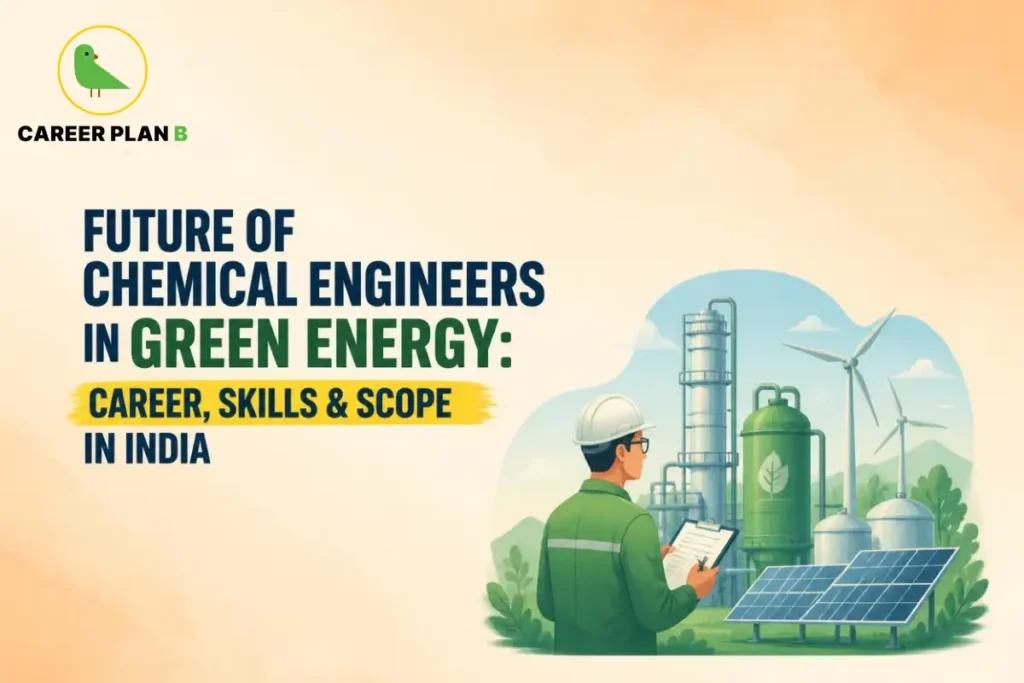
India has pledged to achieve net zero carbon emissions by 2070 and generate 500 GW of renewable energy capacity by 2030. These are not just policy targets; they are engineering challenges of the highest order. Behind every green hydrogen plant, every biofuel refinery, and every utility-scale battery storage facility stands a team of chemical engineers turning clean energy ambitions into industrial reality.
The future of chemical engineers in green energy is not a distant possibility; it is already unfolding across India’s rapidly expanding clean energy ecosystem. If you are a chemical engineering student or graduate wondering where your career is headed in a world moving away from fossil fuels, this blog gives you a clear, practical picture. From the sectors hiring right now to the skills you need and the salaries you can expect, here is your complete guide to chemical engineering careers in India’s green energy transition.
Why Green Energy Needs Chemical Engineers
Green energy is not just about installing solar panels or wind turbines. The real complexity lies in the chemistry and process engineering that makes clean energy scalable, storable, and economically viable. Chemical engineers are central to this challenge for several reasons.
Every major green energy technology involves chemical processes at its core. Green hydrogen is produced through electrolysis, an electrochemical process. Biofuels are made through fermentation, transesterification, and gasification. Solar photovoltaic cells rely on semiconductor materials and thin-film chemistry. Battery storage depends on electrochemistry, materials science, and thermal management. Carbon capture involves absorption, membrane separation, and chemical conversion. None of these work at an industrial scale without chemical engineering expertise.
The Ministry of New and Renewable Energy is driving India’s clean energy expansion through targeted schemes and investment frameworks that are creating direct demand for process engineering talent across all these technology areas.
How India’s Green Energy Push Is Creating New Engineering Roles
India’s National Green Hydrogen Mission, launched in 2023, targets producing 5 million metric tonnes of green hydrogen annually by 2030, requiring entirely new classes of electrolyser plants, storage systems, and distribution infrastructure.
Simultaneously, the government’s National Policy on Biofuels targets 20% ethanol blending in petrol by 2025 and promotes second-generation biofuel production from agricultural waste.
These policy commitments are translating directly into green energy jobs for chemical engineers across project development, plant operations, process design, and research and development.
Key Green Energy Sectors Hiring Chemical Engineers
The chemical engineer career in renewable energy spans multiple technology sectors, each with distinct process engineering requirements.
Green Hydrogen and Fuel Cells Green hydrogen is produced by splitting water using renewable electricity through electrolysis. Chemical engineers are needed to design electrolyser systems, optimise energy efficiency, manage hydrogen storage, and develop fuel cell integration processes. This is arguably the fastest-growing area of hydrogen energy career opportunities in India right now.
Biofuels and Biogas India’s biofuel programme under the Ministry of Petroleum and Natural Gas covers first-generation ethanol from sugarcane, second-generation ethanol from agricultural residue, compressed biogas from organic waste, and biodiesel from non-edible oils. The biofuel engineer career path involves process design, feedstock management, fermentation optimisation, and product purification all core chemical engineering competencies.
Solar Energy and Photovoltaics Chemical engineers contribute to solar energy through photovoltaic material development, anti-reflective coating processes, encapsulant material formulation, and manufacturing process optimisation for solar cell production lines. India’s Production Linked Incentive scheme for solar PV manufacturing is driving significant investment into domestic solar module production.
Battery Storage and Electric Vehicles The FAME II scheme and India’s push for domestic battery cell manufacturing under the Advanced Chemistry Cell PLI programme are creating demand for chemical engineers skilled in electrochemistry, materials characterisation, and battery thermal management.
Carbon Capture, Utilisation, and Storage As India balances its industrial growth with climate commitments, CCUS technology is gaining traction in the steel, cement, and fertiliser sectors. Chemical engineers design the absorption columns, membrane systems, and conversion reactors that make carbon capture viable at an industrial scale.
Which Sector Offers the Best Career Growth for Chemical Engineers?
Green hydrogen offers the highest long-term growth potential given the scale of government investment and India’s ambition to become a global hydrogen exporter. Biofuels offer the most immediate hiring opportunities given existing infrastructure and near-term policy targets. Battery storage is the fastest-growing in terms of private investment. For students entering now, building cross-sector competence across two or more of these areas significantly strengthens long-term career resilience.
Chemical Engineer Eligibility and Educational Pathways
Understanding your eligibility and building the right academic foundation is the first step toward green energy roles.
Undergraduate Degree A B.Tech or B.E. in Chemical Engineering is the primary entry qualification for green energy process roles. Related branches including Petrochemical Engineering, Biochemical Engineering, and Materials Science also provide strong foundations for specific green energy sectors. Your institution must be AICTE-approved.
Postgraduate Specialisations An M.Tech. in Energy Engineering, Environmental Engineering, Chemical Engineering with a sustainability focus, or Renewable Energy Technology significantly enhances your profile for research-intensive and senior process roles. IIT Bombay, IIT Delhi, IIT Madras, and several NITs offer relevant postgraduate programmes.
GATE Score A strong GATE score in Chemical Engineering (CH) is essential for PSU jobs for chemical engineers in the energy sector and for M.Tech admissions at premier institutions. The official GATE portal provides eligibility criteria, exam schedules, and syllabus details.
Certifications That Strengthen Your Profile
- Energy Auditor certification from Bureau of Energy Efficiency (BEE) highly valued for energy sector roles
- Hydrogen safety and handling certification
- Carbon management and sustainability certification
- Six Sigma Green Belt for process improvement roles
- HAZOP and process safety training for plant operations
Chemical Engineering Skills for Green Energy Roles
The chemical engineering skills for sustainability-focused roles build on core engineering fundamentals but extend into new technical territory. Here is what employers in the green energy sector consistently look for:
Technical Skills
- Process simulation and optimisation for renewable energy systems
- Electrochemistry fundamentals for hydrogen and battery applications
- Thermodynamic modelling for energy conversion systems
- Catalyst design and reaction engineering for biofuel and hydrogen production
- Heat and mass transfer in novel process environments
- Carbon capture process design and solvent selection
Software and Tools
- Aspen Plus and Aspen HYSYS for process simulation
- MATLAB and Python for process modelling and data analysis
- COMSOL Multiphysics for electrochemical and heat transfer modelling
- HOMER Energy for renewable energy system optimisation
- AutoCAD for process layout and P&ID design
Regulatory and Framework Knowledge
- Bureau of Energy Efficiency guidelines and energy audit protocols
- MNRE scheme frameworks for biofuels, hydrogen, and solar manufacturing
- Environmental clearance processes under the Ministry of Environment, Forest and Climate Change
Soft Skills
- Systems thinking understanding how process changes affect the entire energy value chain
- Cross-disciplinary collaboration with electrical, mechanical, and environmental engineers
- Sustainability mindset and life cycle thinking
- Adaptability to rapidly evolving technology environments
For students building their green energy knowledge base, NPTEL offers free courses on renewable energy engineering, hydrogen technology, and sustainable chemical processes, all directly relevant to industry roles.
Have Any Doubts?
Chemical Engineer Career Path in Green Energy
The chemical engineering career in renewable energy follows a clear progression, with increasing responsibility and specialisation at each stage.
Entry Level (0–3 years) Graduate Trainee, Junior Process Engineer, or Project Engineer at a biofuel plant, hydrogen production facility, or renewable energy company. Focus areas include process monitoring, data analysis, safety compliance, and documentation. Expected CTC: ₹4–7 LPA.
Mid-level (3–8 years) Process Engineer, Energy Engineer, or Senior Project Engineer. Independent management of process optimisation projects, technology scale-up, and cross-functional coordination. Expected CTC: ₹8–16 LPA.
Senior Level (8+ years) Lead Process Engineer, Project Manager, or Head of Sustainability. Strategic oversight of green energy projects, capital investment decisions, and regulatory strategy. Expected CTC: ₹18–35+ LPA.
PSU Opportunities for Chemical Engineers in Green Energy PSU jobs for chemical engineers in the energy sector are expanding as public sector energy companies diversify into renewables:
- NTPC Renewable Energy Limited India’s largest power utility expanding aggressively into green hydrogen and solar
- ONGC Green Limited: ONGC’s dedicated renewable energy subsidiary
- GAIL expanding into green hydrogen, compressed biogas, and bio-LNG
- BHEL manufacturing solar modules and electrolyser components for green hydrogen
- MNRE-funded research and pilot projects under national mission frameworks
Private Sector Opportunities Top private recruiters for green energy jobs for chemical engineers include Reliance New Energy, Adani Green Energy, ReNew Power, ACME Solar, Thermax, L&T Green Tech, and a growing ecosystem of green hydrogen and biofuel startups backed by government and private investment.
Is GATE Necessary for Green Energy Roles?
GATE is not required for private sector green energy roles, but it significantly strengthens your candidacy for PSU positions at NTPC, GAIL, ONGC Green, and BHEL, as well as for M.Tech admissions at IITs and NITs where specialised energy engineering programmes are available. For students targeting research roles at government laboratories like CSIR-NCL or IIP Dehradun, GATE is strongly recommended.
Chemical Engineer Salary in Green Energy
Chemical engineer salaries in green energy are competitive and trending upward as India’s clean energy sector scales. Here is a comparative view across levels and sectors:
| Level | Private Sector | PSU |
|---|---|---|
| Entry Level (0–3 yrs) | ₹4–7 LPA | ₹7–10 LPA |
| Mid-level (3–8 yrs) | ₹8–16 LPA | ₹12–18 LPA |
| Senior Level (8+ yrs) | ₹18–35+ LPA | ₹20–30 LPA |
Compared to traditional chemical engineering roles in oil and gas or basic chemicals, green energy roles are increasingly matching or exceeding compensation levels, particularly in private sector companies backed by significant investment capital. PSU packages continue to offer additional benefits, including housing allowance, medical coverage, and retirement benefits.
Key employment hubs for chemical engineering careers in renewable energy in India include Gujarat (Kutch and Dholera green hydrogen hubs), Rajasthan (large-scale solar and wind), Tamil Nadu (offshore wind and bioenergy), Andhra Pradesh (PCPIR and renewable energy zones), and Maharashtra (Pune and Mumbai for corporate and R&D roles).
How Career Plan B Helps
If you are a chemical engineering student or graduate trying to navigate India’s green energy career landscape, Career Plan B can help you build a focused and informed path forward. Through personalised career counselling, psychometric assessments, and structured career roadmapping, Career Plan B helps you identify your strengths, match them to the right green energy sector, and create a step-by-step plan for entering and growing in one of India’s most future-ready industries.
For Latest Information
Frequently Asked Questions (FAQs)
1. Can a chemical engineer work in green energy without a specialised degree?
Yes. A core B.Tech. in Chemical Engineering is sufficient for most entry-level green energy roles. Specialised knowledge can be built through certifications, NPTEL courses, and on-the-job experience. An M.Tech in Energy Engineering strengthens your profile for senior and research-orientated positions.
2. Which green energy sector is best for chemical engineers in India?
Green hydrogen offers the highest long-term growth potential given India’s National Green Hydrogen Mission targets. Biofuels offer the most immediate hiring opportunities. Battery storage is growing fastest in private investment. The best choice depends on your specific skills and interests.
3. What is the starting salary for chemical engineers in green energy in India?
Entry-level chemical engineer salary in green energy ranges from ₹4–7 LPA in the private sector and ₹7–10 LPA in PSUs, depending on the company, location, and specific technology area.
4. Which PSUs hire chemical engineers for green energy roles?
NTPC Renewable Energy, ONGC Green, GAIL, and BHEL are the primary PSU recruiters for chemical engineers in the green energy sector. Recruitment typically happens through GATE scores for Graduate Apprentice Engineer and executive roles.
Conclusion
The future of chemical engineers in green energy is not just promising; it is structurally secured by India’s policy commitments, investment flows, and the fundamental reality that clean energy technologies cannot scale without process engineering expertise. From green hydrogen and biofuels to battery storage and carbon capture, chemical engineers are the professionals who make these technologies work at an industrial scale.
The chemical engineer career in renewable energy rewards those who combine strong process fundamentals with an understanding of sustainability frameworks and emerging energy technologies. Whether you are targeting a PSU role through GATE or building your profile for India’s booming private green energy sector, the pathway is clear.