Deepti · August 12, 2026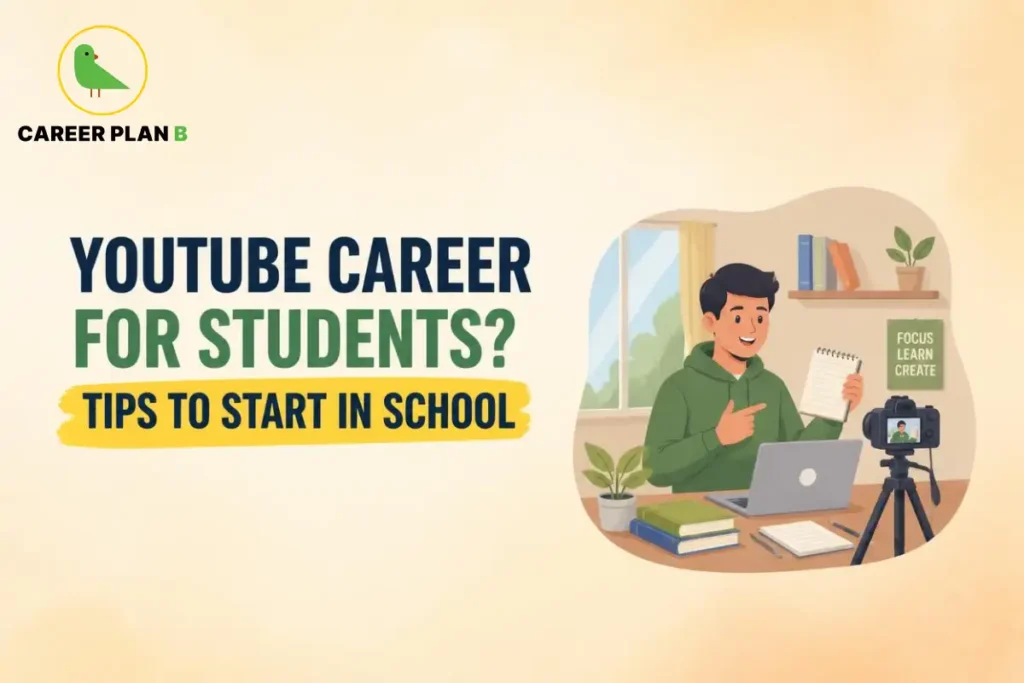
Introduction
A YouTube career for students is a genuinely realistic possibility today, but it’s also one of the most misunderstood career paths — often seen as either an easy shortcut to fame or dismissed entirely as a distraction from “real” education. Neither view is accurate. This guide gives you an honest, practical picture of what starting a YouTube channel in school actually involves, what monetisation genuinely requires, and how to balance it responsibly with your studies.
Is a YouTube Career for Students Actually Viable?
Yes, for a small percentage of consistent, strategic creators — but it’s important to understand the real numbers. The vast majority of channels never reach meaningful monetisation, and even successful creators typically take one to three years of consistent, unpaid effort before seeing real income. This isn’t meant to discourage you, but to set expectations correctly: treat YouTube as a serious, effortful skill-building project rather than a quick path to income or fame.
How to Start a YouTube Channel in School: The Practical First Steps
How to start a YouTube channel in schoolwork’s best with a structured, low-pressure approach:
- Choose a niche you’d stay interested in for years, not just months — passion sustains consistency far better than a trending topic you don’t genuinely care about
- Start with what you already have — a smartphone camera and basic editing app are enough; don’t wait for expensive equipment
- Commit to a realistic, sustainable posting schedule — one well-made video every two weeks beats an ambitious daily schedule you abandon after a month
- Study successful channels in your niche to understand pacing, thumbnails, and audience retention patterns, without copying their content directly
YouTube Niche Selection: Why This Decision Matters Most
YouTube niche selection is arguably the single most important early decision, and students often get it wrong by picking either something too broad (“lifestyle vlogging”) or something with no genuine long-term interest behind it. A stronger approach: pick a niche where you already have real knowledge or a specific angle — exam preparation tips from your own experience, a specific hobby explained in depth, or commentary on a subject you’re genuinely well-read in. Specific, knowledgeable niches build loyal audiences faster than broad, generic ones.
For Personalized Guidance
Understanding YouTube Monetization Requirements
YouTube monetization requirements through YouTube’s Partner Program typically include minimum subscriber and watch-hour (or Shorts views) thresholds over a rolling period, alongside compliance with community guidelines and copyright policies. These specific thresholds are set and occasionally adjusted by YouTube directly, so always check YouTube’s own current Partner Program page for exact, up-to-date numbers rather than relying on older figures circulating online. Beyond direct ad revenue, many creators monetise earlier through brand sponsorships or affiliate links, which don’t require meeting the Partner Program thresholds first.
Balancing YouTube and Studies: A Realistic Framework
Balancing YouTube and studies is genuinely manageable if you treat content creation as a scheduled activity, not something squeezed into random free moments:
- Batch your work — script and film multiple videos in one dedicated session rather than trying to create daily
- Protect exam periods explicitly — plan a content calendar that reduces or pauses uploads during exams, and communicate this to your (small, early) audience so they know to expect it
- Treat it as a structured extracurricular, with a defined weekly time budget, the same way you’d treat a sport or music practice commitment
Building Transferable Skills Even If YouTube Doesn’t “Work Out”
Even if a specific channel doesn’t grow the way you hope, the skills built along the way — scripting, video editing, public speaking, audience research, and basic marketing — transfer directly into careers in media, marketing, communications, or entrepreneurship. Frame your YouTube effort as skill-building with upside, not an all-or-nothing bet.
Content Creation Career India: Beyond Just YouTube
If your genuine interest is in content creation more broadly, a content creation career India-wide today spans well beyond YouTube alone — Instagram, brand content teams, digital marketing agencies, and in-house content roles at companies all value the exact skills a consistent YouTube practice builds. Approaching YouTube as training ground for this wider field, rather than the only possible outcome, keeps your options genuinely open.
How Career Plan B Helps
Deciding how seriously to pursue YouTube alongside your studies — and which specific content direction genuinely fits your strengths — benefits from honest self-assessment rather than just enthusiasm. Career Plan B’s Psycheintel and Career Assessment Tests can help clarify whether a content-creation-adjacent career path suits your specific strengths. Our Personalised Career Counselling helps you think through how to balance this interest with academics realistically, and our Career Roadmapping service helps you map a plan where YouTube experience genuinely strengthens a future media, marketing, or communications career.
Get In Touch With Us
FAQs
Q1. Can a student realistically make money from YouTube?
Yes, but it typically takes one to three years of consistent effort before meaningful monetisation, and most channels never reach that point — treat early efforts as skill-building rather than guaranteed income.
Q2. Will starting a YouTube channel hurt my studies?
Not if managed with a realistic, scheduled time commitment — treat it like any other structured extracurricular activity with defined boundaries, especially during exam periods.
Q3. What’s the biggest mistake students make when starting a channel?
Choosing a niche based on trends rather than genuine, sustained interest, which usually leads to burnout and inconsistency within a few months.
Q4. Do I need expensive equipment to start?
No — a smartphone and free editing apps are sufficient for years of content; invest in better equipment only once you’ve built consistency and a genuine audience.
Q5. Can YouTube experience help with college admissions or careers?
Yes, a genuine, consistently run channel demonstrates initiative and communication skills relevant to media, marketing, and communication-focused degrees and careers.
Conclusion
A YouTube career for students can absolutely work, but success depends far more on realistic expectations, consistency, and smart niche selection than on luck or virality. Treat it as a structured skill-building project with real upside, protect your study time deliberately, and remember that the skills you build transfer well even if a specific channel doesn’t take off. If you’d like help thinking through how content creation fits into your broader academic and career plan, Career Plan B’s counsellors can help.